Somalia’s decision to expel the UAE ambassador could put DP World’s agreements in Berbera and Bosaso under legal challenge, with Mogadishu questioning agreements concluded without federal approval.
Mogadishu and Garowe (PP Report) — Relations between Somalia and the United Arab Emirates deteriorated sharply in 2026, four years after a diplomatic rapprochement paved the way for renewed military cooperation and economic engagement.
The dispute has brought longstanding disagreements over the management of Somalia’s strategic seaports into sharper focus, particularly the concessions unlawfully granted to DP World and its subsidiaries in Berbera and Bosaso.
President Hassan Sheikh Mohamud has accused the UAE of financing armed groups and supporting security forces operating outside the authority of the Federal Government. He has also accused Abu Dhabi of undermining Somalia’s sovereignty by entering into arrangements with regional administrations without federal approval.
On 12 January 2026, the Federal Government announced the termination of its agreements with the UAE, including those concerning port operations, government institutions, defence and security cooperation.
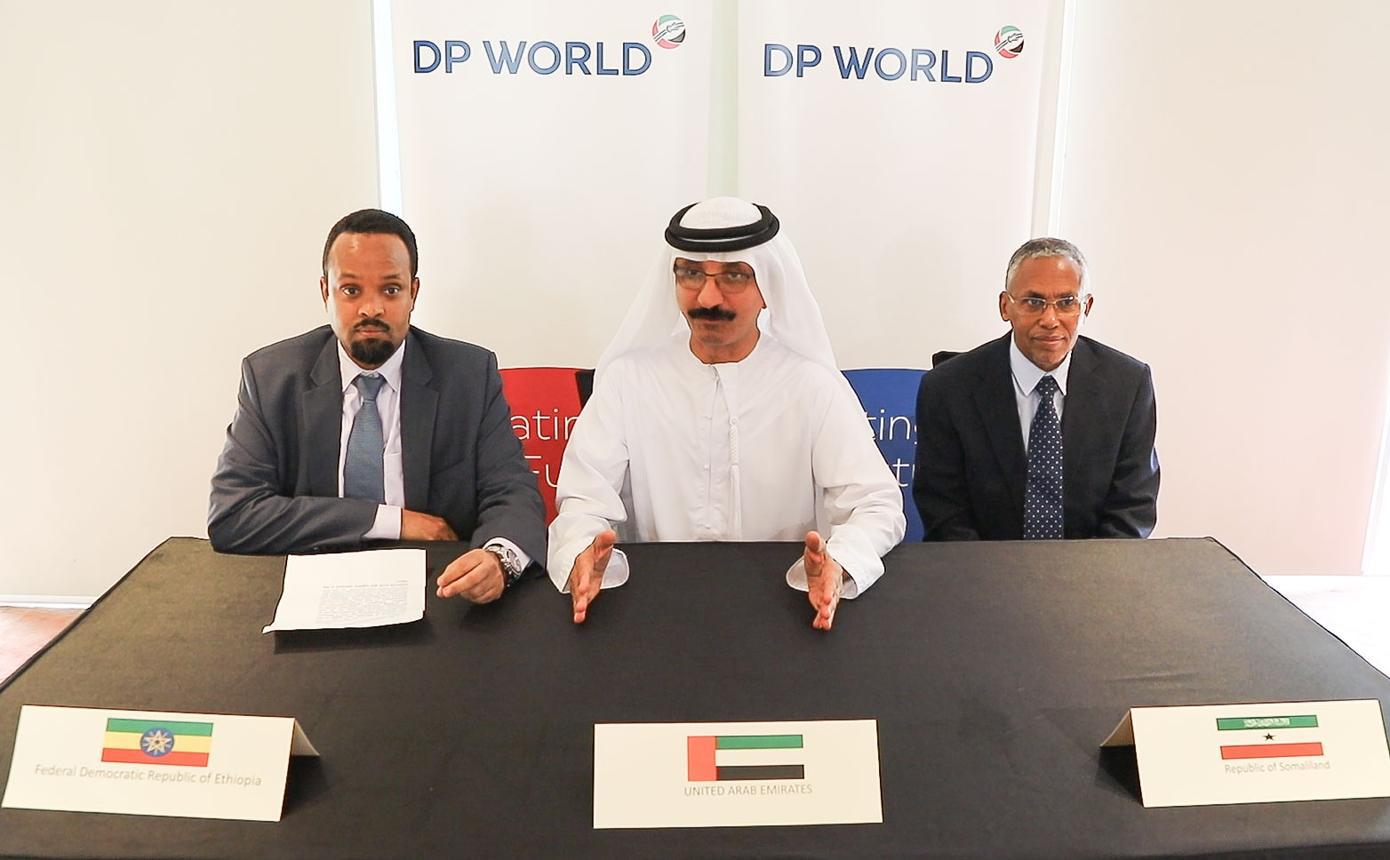
The decision covered arrangements involving the ports of Berbera and Bosaso, according to a statement published by Somalia’s Ministry of Foreign Affairs and International Cooperation.
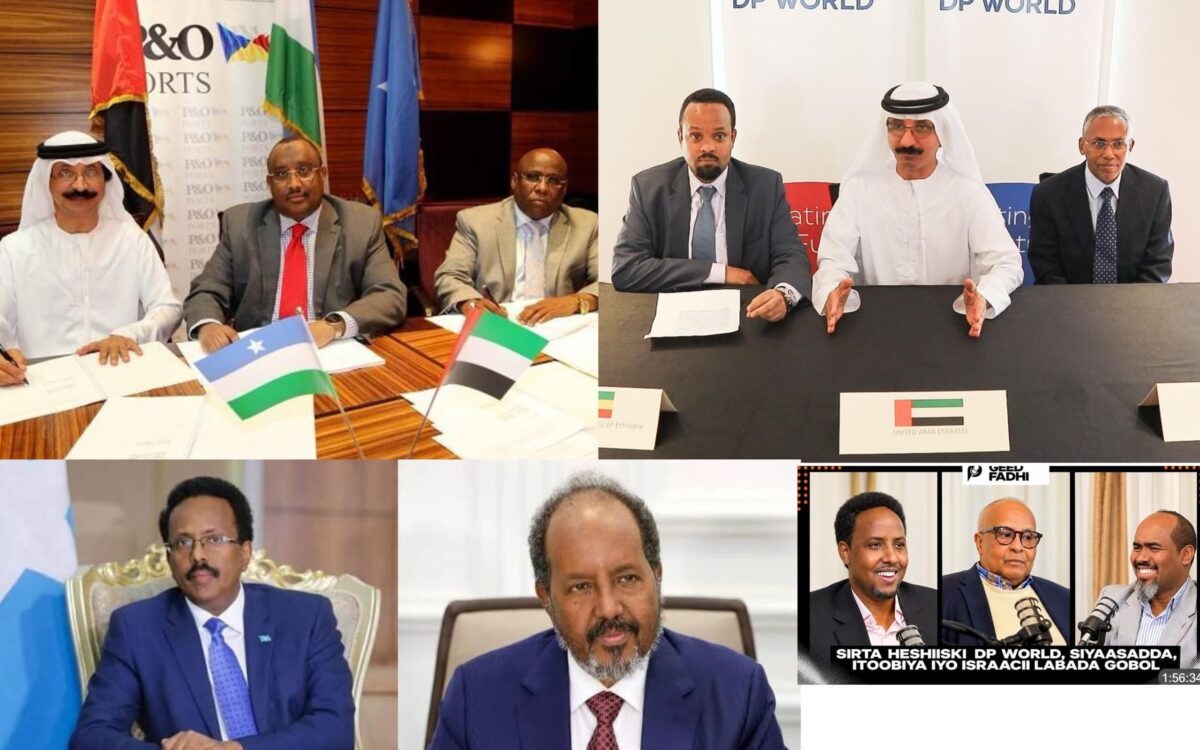
The former Somali Foreign Minister Abdusalam Omer Hadliye, who served from February 2015 to March 2017, recently told a Somali current affairs YouTube channel that Sultan Ahmed bin Sulayem, then chairman and chief executive of DP World, had attempted to persuade him to sign an agreement concerning Berbera Port without allowing him to examine the draft contract.
“There was a government policy on regional development. DP World had shown an interest in investing in Berbera Port. I visited DP World headquarters to sign the contract to expand and modernise Berbera Port, but I did not sign it,” Hadliye said.
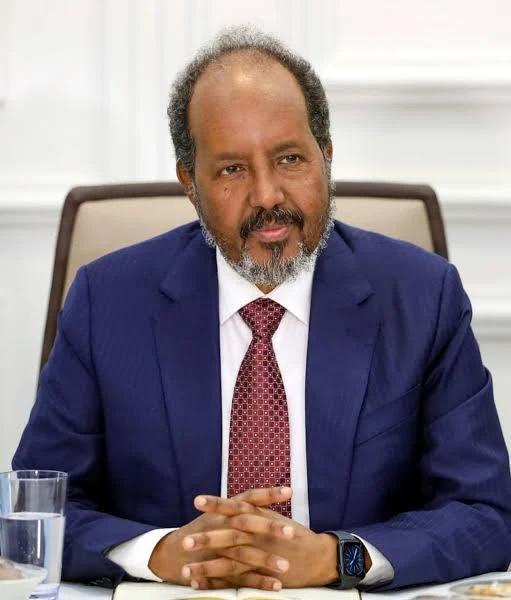
According to Hadliye, bin Sulayem invited him to his home and introduced him to members of his family before presenting him with a document for signature.
“He handed me a piece of paper and asked me to sign it. I asked for a copy of the agreement to read, but he refused to show me the draft agreement. I refused to sign the paper.”
Hadliye added that he was unaware of any Somali Government minister having signed an agreement with DP World.
His account suggests that the proposed arrangement was not authorised through his ministry, although it does not establish whether other federal officials subsequently approved any agreements involving the company.

The Constitutional Question
The constitutional division of authority between Somalia’s Federal Government and its Federal Member States lies at the centre of the dispute.
Article 54 of Somalia’s 2012 Provisional Constitution reserves responsibility for foreign affairs, national defence, citizenship and immigration, and monetary policy to the Federal Government.
These provisions form the basis of Mogadishu’s objections to agreements concluded directly between regional authorities and foreign entities.
In March 2018, Somalia’s Federal Parliament rejected an agreement involving DP World, the Somaliland administration and Ethiopia over the development of Berbera Port.
The shareholding structure of the agreement allocated 51 per cent to DP World, 30 per cent to Somaliland Administration and 19 per cent to Ethiopia.
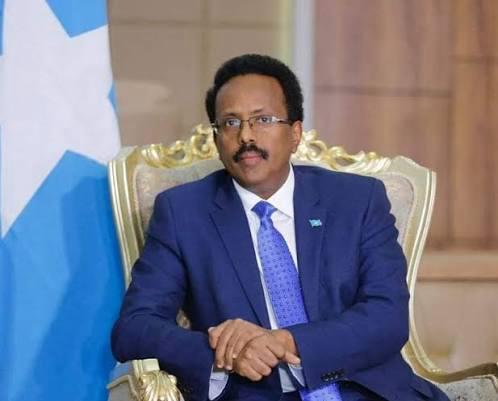
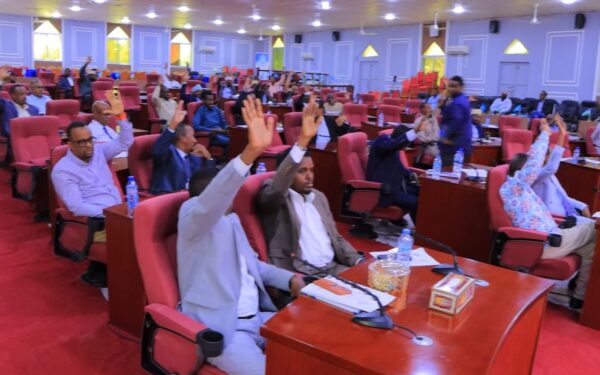
Somalia’s Ministry of Ports and Marine Transport declared the arrangement null and void on 2 March 2018, arguing that the Federal Government had not been a party to the agreement. Both houses of the Federal Parliament subsequently approved measures opposing DP World’s operations in Somalia.
In June 2022, Somaliland authorities announced that Ethiopia had lost its proposed 19 per cent stake after failing to fulfil the conditions required to comply with the terms of the agreement.
Ethiopian officials disputed the suggestion that the country had violated a binding agreement.
The controversy also extends to Bosaso Port in Puntland. In April 2017, the Puntland administration, then led by President Abdiweli Mohamed Ali, signed a 30-year concession agreement with P&O Ports for the management and development of Bosaso Port.
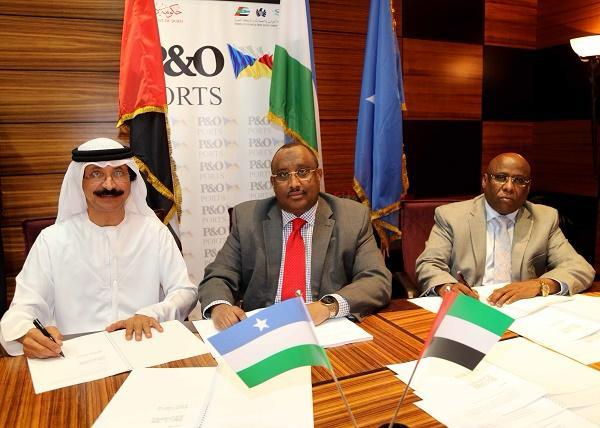
P&O Ports was a subsidiary of DP World, the Dubai government-owned ports operator that acquired the British P&O group in 2006.
In February 2022, Puntland President Said Abdullahi Deni announced that his administration had renegotiated the concession after raising concerns about the company’s performance.
Puntland Post reported in 2022 that President Deni had told civil servants and traditional leaders at Waciye village that P&O had failed to manage Bosaso Port satisfactorily, making renegotiation necessary.
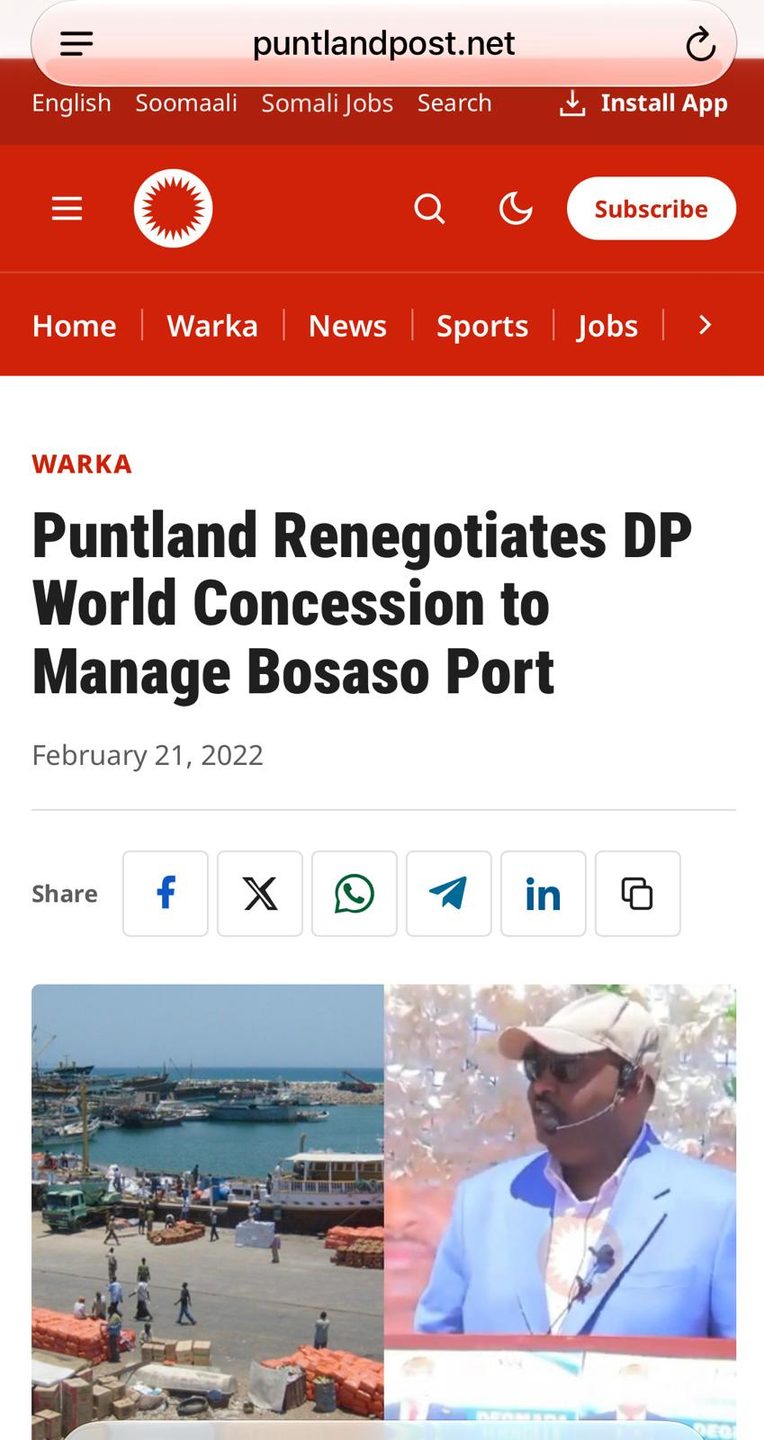
He explained that DP World had not been directly responsible for operating the port and announced a revised arrangement involving a joint venture between DP World and the Puntland Government.
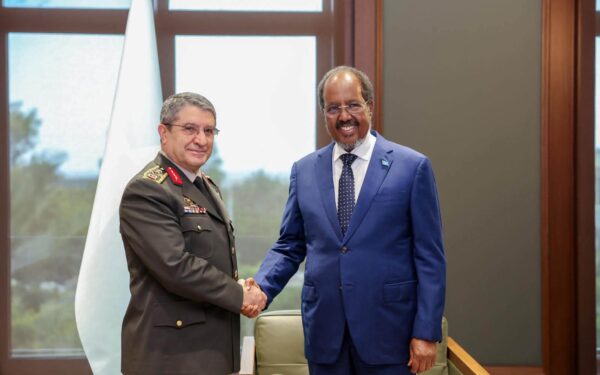
Somalia and the UAE began repairing their strained relations in 2022, with the process gaining momentum following Hassan Sheikh Mohamud’s election as President on 15 May that year.
The two governments subsequently expanded cooperation in security, counter-terrorism and development.
In February 2023, Somalia’s cabinet approved a military and security cooperation agreement with the UAE. The countries also concluded arrangements covering other areas of cooperation, including water development. In November 2023, an agreement was announced to drill water wells in areas recovered from al-Shabaab.
On 30 October 2024, Somalia’s Ministry of Fisheries and Blue Economy signed a memorandum of understanding with AD Ports Group, another UAE government-owned ports and logistics operator, to explore cooperation in fisheries and maritime infrastructure.
This demonstrated that the Federal Government was willing to enter into maritime development arrangements with Emirati companies, despite its longstanding objections to DP World’s concessions involving regional administrations.
The confrontation escalated on 19 November 2026, when Somalia ordered the UAE ambassador to leave the country within 72 hours and recalled its own ambassador from Abu Dhabi for consultations.
The Somali Government accused the UAE of violating Somalia’s sovereignty and interfering in its internal affairs.
The deteriorating relationship between Somalia and the UAE could have significant consequences for DP World’s port concessions.
The Dubai government-owned company was delisted from Nasdaq Dubai in June 2020. Although DP World is no longer publicly listed, its international operations remain exposed to contractual disputes, legal challenges and reputational risks.
Further challenges by the Somali Government to the legally questionable concessions granted in Berbera and Bosaso could raise questions about the authority of the original signatories and the enforceability of agreements concluded without federal approval.
© Puntland Post, 2026