Kim Johnson, an MP from the UK’s Labour Party, was helping to host an event in the UK parliament marking the anniversary of Somaliland’s self-declared independence when she was told that an official from another government was on their way to attend.
“When I heard there would be an Israeli government official there, I just left the event as quickly as I could,” Johnson told Middle East Eye.
The unexpected appearance of an Israeli official at the May event was the final straw for Johnson, a backbencher on Labour’s left and an advocate for Palestinian rights, who quit the UK’s all-party parliamentary group (APPG) on Somaliland soon after.
Abtisam Mohamed, the Labour MP for Sheffield Central and Johnson’s deputy in the group, also resigned her post this week, Middle East Eye can reveal, while Kerry McCarthy, Labour MP for Bristol East, has stopped participating in the group’s activities until its chair, the Conservative MP Gavin Williamson, resigns.
MEE understands that the APPG, Westminster’s main forum advocating for Somaliland and its diaspora, has not met since before the UK parliament’s summer recess amid fallout over Israel’s recognition of Somaliland and Williamson’s ties to the hardline anti-immigration party Restore Britain.
Mohamed, who sits on the UK parliament’s Foreign Affairs committee, told MEE that she will “continue to support the aspirations of the Somaliland people” but had quit due to “long-term differences over the direction the APPG is taking”.
Johnson, whose Liverpool constituency contains a large Somaliland diaspora population, had been a member of the group for more than six years, and served as its co-chair alongside Williamson until her resignation.
She told MEE that the group’s “whole ethos changed” after Israel became the only state to recognise the breakaway territory from Somalia in December.
“I still of course support my local community, and will do so on independence days,” she said.
“But the Israeli recognition has caused such division within communities that you now even have cases of pro-Palestine people being attacked for their views.”
APPG leaders’ Restore and UAE ties
The APPG’s leadership spanned a wide cross-section of the UK political spectrum, with Johnson, Mohamed and McCarthy sitting alongside Williamson, who served as an advisor to Restore Britain, and Edward Udny-Lister, the Tory peer who was once Boris Johnson’s chief of staff, and now heads the Abu Dhabi arm of the emerging markets investor Gemcorp, long criticised for its historic ties to Russia.
In June 2025, the group published a report authored by Williamson, a former defence minister, touting Somaliland’s “vast untapped reserves of oil, gas and rare earths” and arguing that recognition could help the UK develop a military base in the strategic port of Berbera, among other benefits.
Williamson’s office, which adminsters the APPG as its secretariat, said it had no role in inviting the Israeli official to the parliamentary event, and understood that the official had been invited by Somaliland’s UK mission.
Israel’s courting of Somaliland has made the territory a more contentious geopolitical flashpoint than ever.
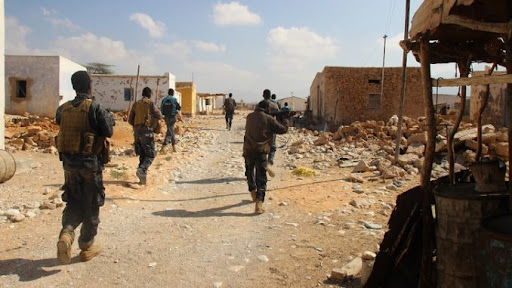
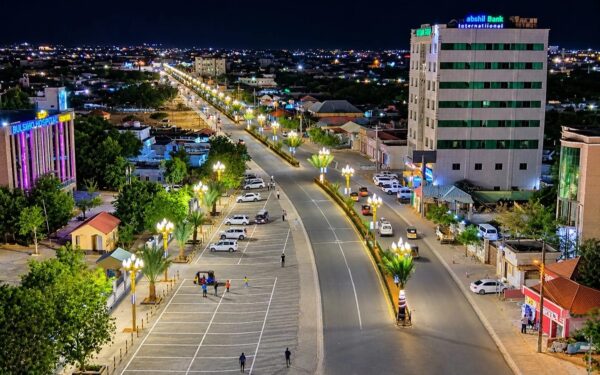
Since Israeli Foreign Minister Gideon Saar visited Somaliland’s capital Hargeisa in January, Israel has begun training Somaliland’s army, with the breakaway state taking the highly controversial step of establishing an embassy in Jerusalem in June.
In return for recognition, Somaliland officials have floated the prospect of allowing Israel to build a military base on the territory – a move that would help Israel boost its influence in the Horn of Africa within striking range of Yemen’s Houthis.
Hargeisa has also developed strong ties with the UAE, which has built port infrastructure and military bases in the territory.
The UAE was lauded in the APPG’s report as having “wasted no time in capitalising on Berbera’s potential” in its “strategy to counterbalance Iranian influence and deter further Houthi aggression”.
Somalia’s president, Hassan Sheikh Mohamud, accused the UAE of “interference” in his country’s internal affairs on Tuesday amid mounting tensions between Abu Dhabi and Mogadishu.
Rupert Lowe ties
Beside the group’s links to Israel, Johnson and McCarthy told MEE that they also had concerns about Williamson’s support for anti-immigration politicians in the UK.
In June, Williamson signed a letter penned by Restore Britain leader Rupert Lowe calling for the mass deportation of refugees brought to the UK via safe and legal routes.
The letter states: “Put simply – we do not want these people in our country.”
McCarthy, who co-founded the APPG in 2005, called Williamson’s signing of the letter a “betrayal” of Somaliland’s UK community.
“I don’t believe you can support Somaliland without supporting its people, wherever they may live,” she said, adding that many of the Somalilanders in her constituency originally came to the UK as refugees, fleeing the Somali government’s persecution of the Isaaq clan in the 1980s in what was widely described as a genocide.
Williamson has become one of Somaliland’s most dedicated international advocates since he was relegated to Westminster’s backbenches in 2022 after a series of gaffes and scandals in ministerial posts.
Despite his support for nativist politics in the UK, he has travelled extensively to Hargeisa, and has been given honorary Somaliland citizenship in return for his advocacy.
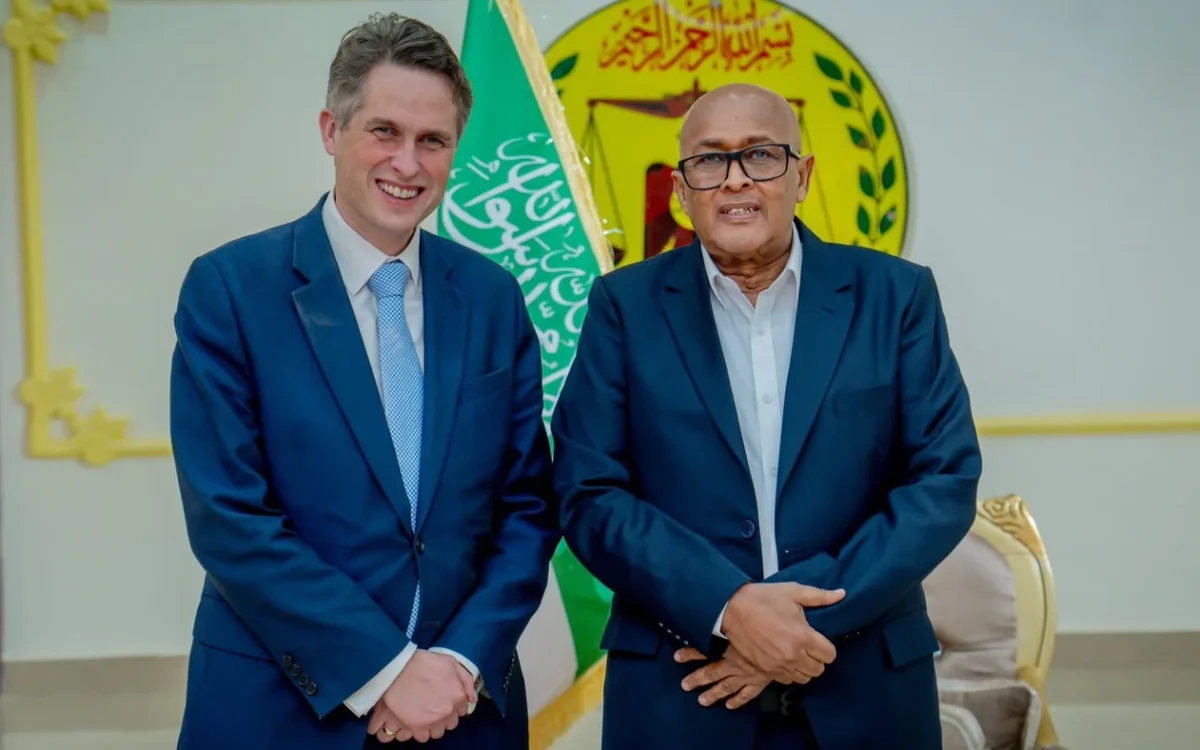
Williamson did not attend the independence day event in the UK parliament because he was in Hargeisa mingling with Somaliland President Abdirahman Mohamed Abdullahi, better known as Irro, for the launch of a new body lobbying for Somaliland’s independence.
In speeches to crowds in Hargeisa that day, he declared: “I am deeply privileged to be able to call myself a Somalilander”, and called the breakaway nation “a beacon for what every nation aspires to be”, while draped in Somaliland’s flag.
Williamson, who also chairs a private membership organisation seeking to boost British commercial ties to Africa, declined MEE’s request for comment.
The Somaliland mission and the Israeli embassy to the UK did not respond to MEE’s requests for comment.
Source: Middle East Eye