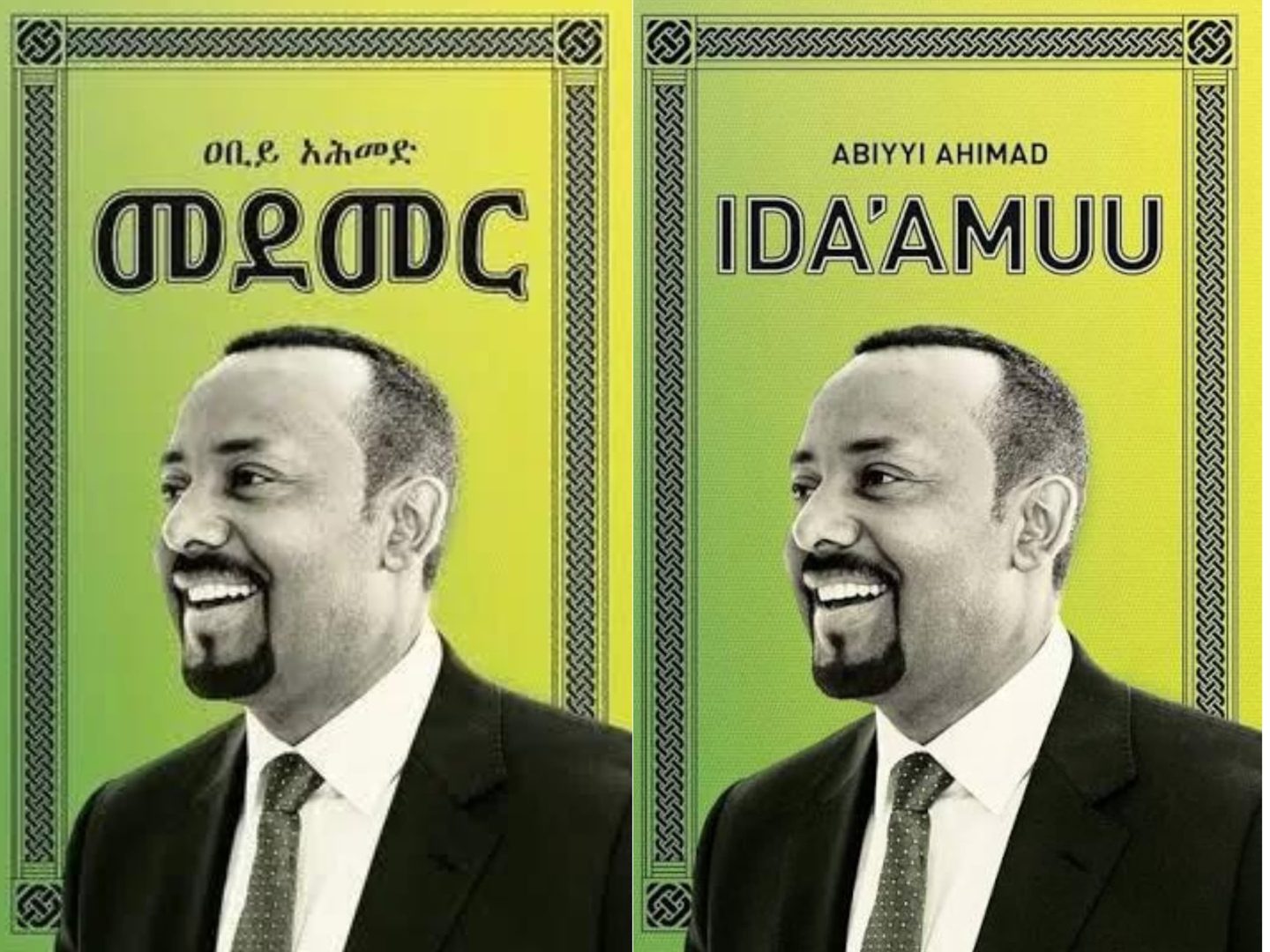
Addis Ababa (PP Report) — When Abiy Ahmed, the Prime Minister of Ethiopia, introduced his ruling philosophy, known in Amharic as Medemer (meaning synergy/addition), he was following a long tradition of Ethiopian rulers who, upon assuming power, aimed to reconfigure the body politic in their own image.
Emperor Haile Selassie fused modernism and feudalism to stay in power for more than 40 years. Colonel Mengistu Haile Mariam combined ‘Land to the Tiller’ and ‘Ethiopia Tikdem’ (Ethiopia First) with communism as the reigning ideology in Ethiopia for 14 years.
Meles Zenawi introduced ethnicity-based federalism to address power imbalances that had made the Ethiopian political system unfair to many ethnic groups whose numerical strength did not translate into substantive political power.
Medemer was first published as a book in 2019, the year Abiy Ahmed won the Nobel Peace Prize. The book has been translated into Oromo, one of Ethiopia’s languages, but the word itself is Amharic, the country’s official language. One year after the book’s publication, civil war broke out in northern Ethiopia between the TPLF and the Ethiopian National Defence Forces. The war came to an end in 2022 following the Pretoria Agreement.
Conflicts in the Oromia and Amhara regions followed. The Ethiopian army is fighting active armed opposition groups in these two regions: the Oromo Liberation Army in Oromia and FANO in the Amhara region. These conflicts transformed Abiy’s centralisation plan into a desire to stay in power by giving in to what critics call the ideology of Oromummaa, an Oromo word meaning ‘the act of being Oromo’.
It is an open political secret that, in Ethiopia, one ethnic group predominantly rules the country. Abiy came to power in 2018 after the TPLF-dominated EPRDF leadership was persuaded to relinquish power following nationwide protests under the Oromara (Oromo and Amhara opposition) alliance.
Few wonder now that Medemer has become the butt of jokes in Ethiopia. The word has suffered at the hands of the Amharic poetic device known as ‘wax and gold’ (ሰምና ወርቅ, sem-ena-werq). It is used in political and social commentary to convey subtle messages expressing dissent.
At a coffee house in central Addis Ababa, a man challenges his friend to read aloud the Amharic title of the book: መደመር. The man pretends to sound out the letters silently before uttering ‘Rimedeme’.
‘Is it not Medemer, or are you illiterate?’ the man asks his friend, who, when asked to spell what he has said, writes the following word on a piece of paper in the Amharic alphabet: ርመደመ.
Unlike Medemer, Rimedeme is not found in a monolingual Amharic dictionary. Asked to define the meaning of Rimedeme, the man who misreads Medemer, but claims to have no learning disability, says:
‘Rimedeme means in Amharic: መደመር የኦሮሞን ብሔር በኢትዮጵያ ካሉት ብሔረሰቦች ሁሉ የበለጠ ኃያል እያደረገው ነው.’ (Medemer is making the Oromo nation the most powerful ethnic group of all in Ethiopia.)
A senior Ethiopian linguist told Puntland Post correspondent that this may be the first time ‘wax and gold’ has been used against a political word ‘to lay bare the vacuousness of Medemer’.
© Puntland Post, 2026