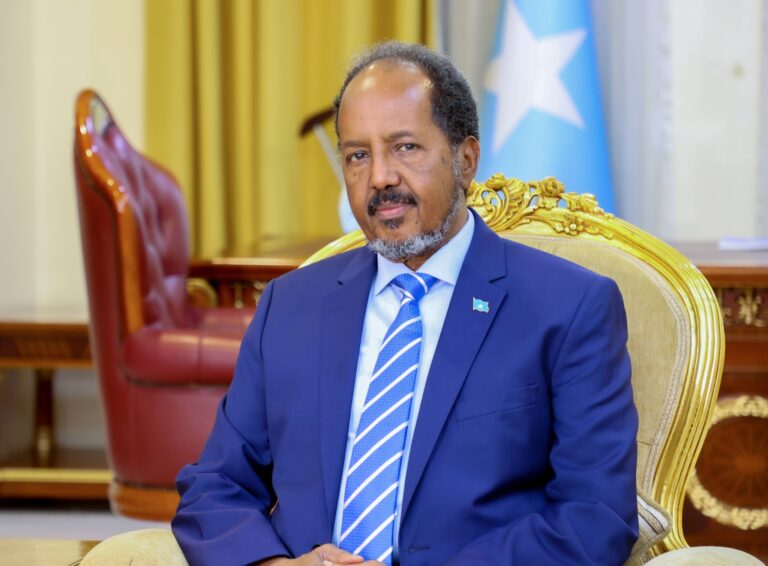
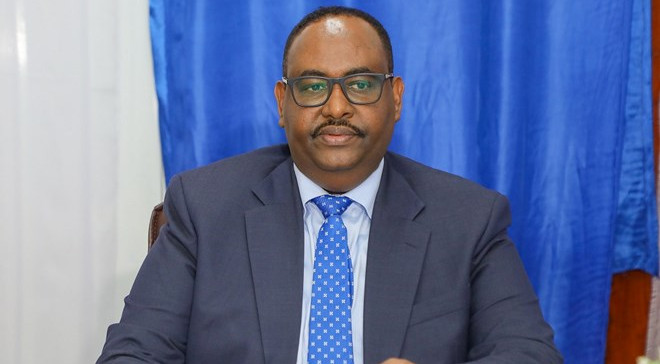
Mogadishu (PP Editorial) — Last week, The Economist ran a report on the Somaliland administration based on an interview with President Abdirahman Abdullahi, also known as Irro. Two cartographic details and a descriptive phrase in the report expose the weaknesses in Somali secessionists’ claims. The report did not, however, mention the Somaliland administration’s rejectionist position regarding Somalia’s sovereignty or recent political developments in northern Somalia.
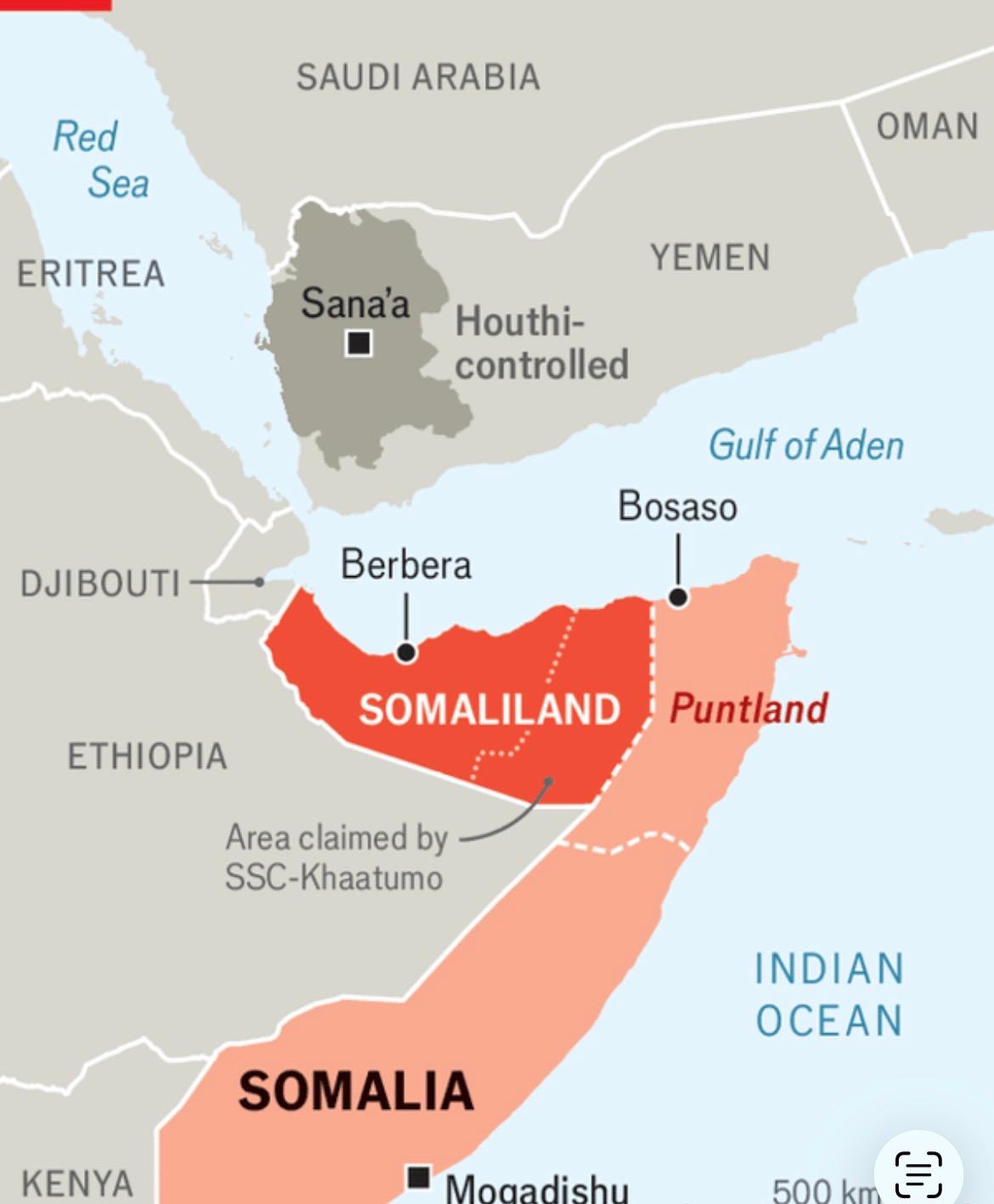
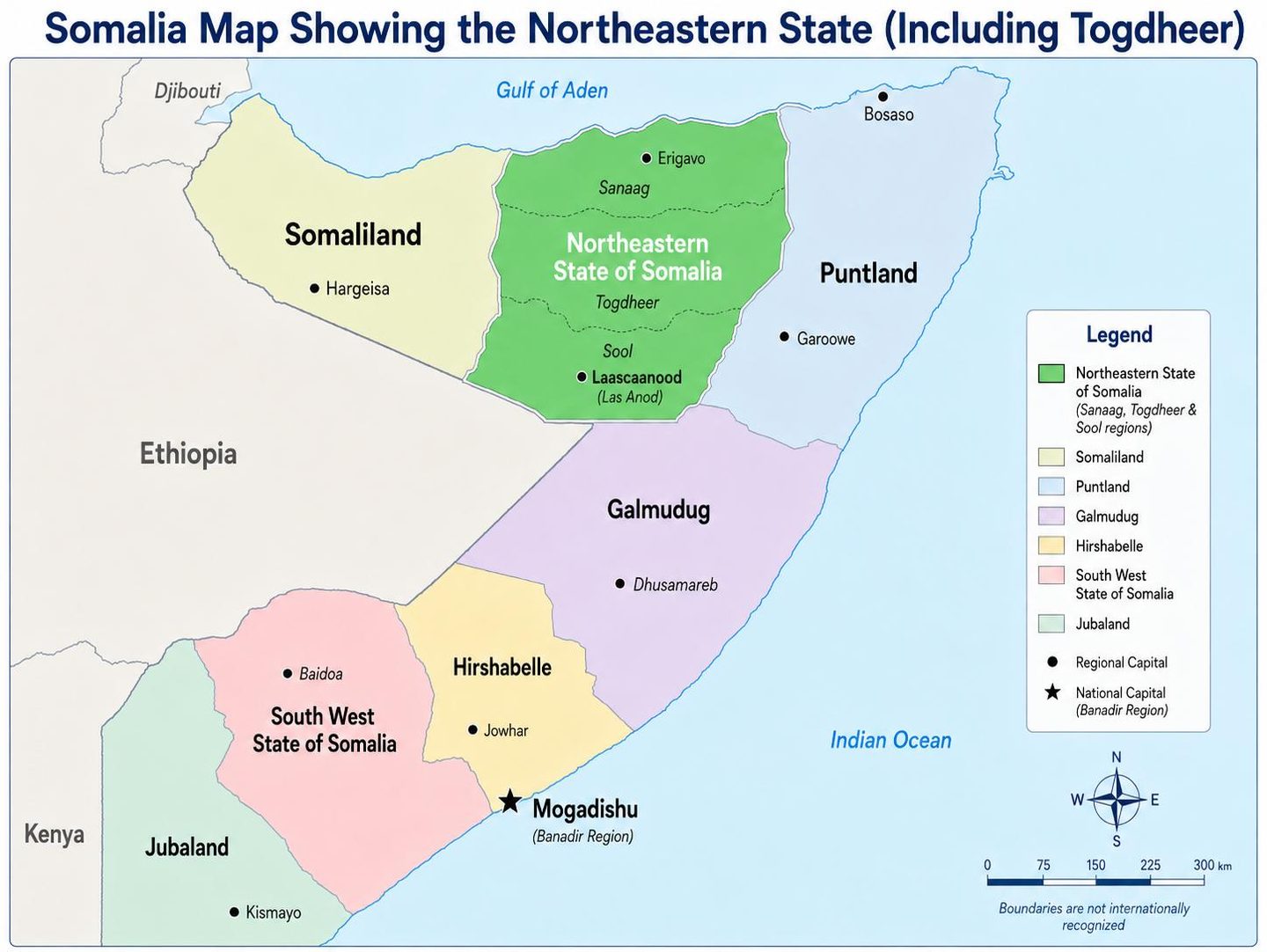
“Mr Irro claims Somalia, which considers Somaliland a renegade province, has plans to mobilise troops along the southern frontier,” The Economist reported. Irro claimed that the Federal Government of Somalia was mobilising troops near the boundary between Puntland State of Somalia and the Northeastern State of Somalia. This is the area that Irro regards as corresponding to the former boundary between British Somaliland and what was then the Trust Territory of Somalia. The map used by The Economist, however, shows the territory of the Northeastern State of Somalia, although it uses the former name, SSC-Khaatumo, to describe it.
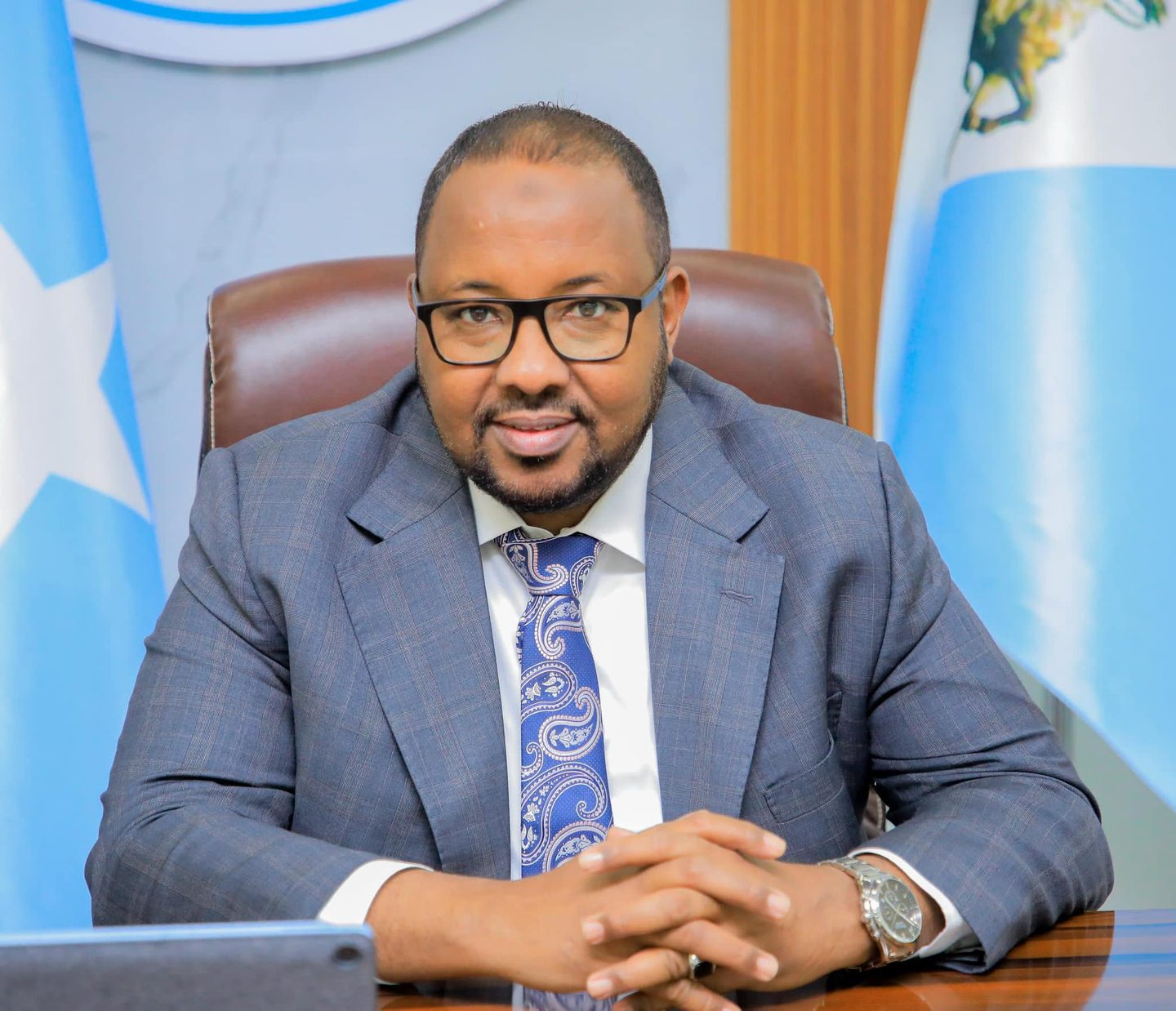
The 2023 Laascaanood conflict was the longest and most debilitating conflict in Somalia since 1991, lasting more than six months. Under Somalia’s 4.5 power-sharing arrangement, the conflict involved the Harti and Isaaq clans, which are generally classified within the Darod and Dir constituencies respectively.
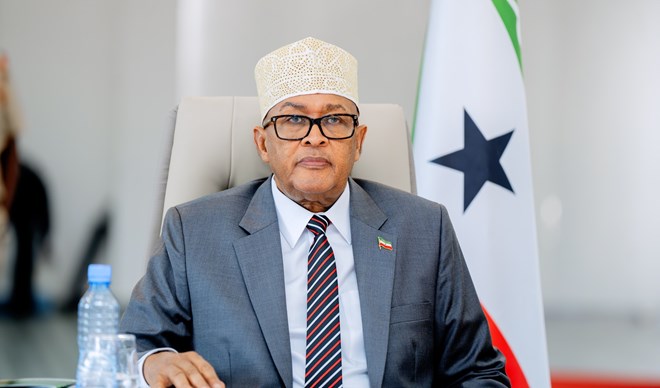
President Irro also claimed that Djibouti was “supporting militias on the border” between the Federal Republic of Somalia and Djibouti. In 2025, the Federal Government of Somalia facilitated the release of more than 20 Somaliland detainees captured during the Laascaanood conflict. The former SSC-Khaatumo administration handed the detainees over to a Federal Government delegation led by Prime Minister Hamza Abdi Barre during his visit to Laascaanood, the administrative capital of the Northeastern State, a federal member state of Somalia. The detainees were flown to Mogadishu and subsequently transferred to Hargeisa.
The Somaliland administration has violated agreements reached with the Federal Government of Somalia and pursued policies that contributed to the 2023 conflict in Laascaanood. These were followed by the controversial 2024 agreement with Ethiopia concerning access to the sea and a proposed naval facility, and Israel’s subsequent unilateral recognition of Somaliland, a move rejected by the United Nations, the African Union and the Arab League.
Presumably, The Economist, recognising the need to take account of recent political developments in Somalia, was attempting to reconcile these developments with the map used to illustrate its report. The map itself demonstrates how much the political and territorial landscape has changed. More broadly, these developments illustrate how the Somali secessionist administration has pursued increasingly self-defeating policies, placing it at odds with Somalia and other sovereign and influential members of the African Union.
© Puntland Post, 2026