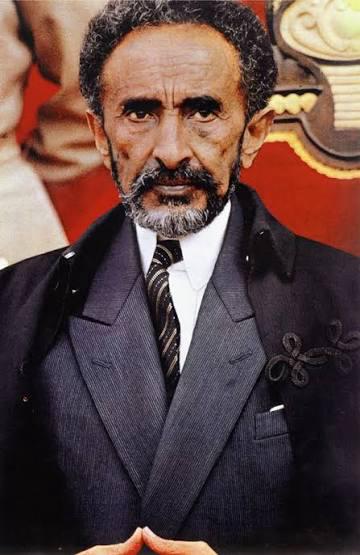
Hargeisa (Commentary) — Several generations of Somalis have come of age in an education system that regarded Ethiopians as the Black colonialism of the Habesha. When the British Empire liberated Ethiopia from Italy more than 80 years ago, Emperor Haile Selassie began to claim parts of what was known as Italian Somaliland and threatened to annex what was known as ex-British Somaliland.
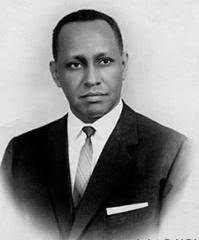
“The Somali people form a single race, practise the same religion and speak a single language. They inhabit a vast territory, which, in its turn, constitutes a well-defined geographical unit,” said Abdullahi Issa Mohamud, Prime Minister of the Trust Territory of Somalia. Those words irritated Emperor Haile Selassie, who annexed Somali territories in what was known as ex-British Somaliland after Britain violated Protectorate Agreements with Somali clans.
Although Ethiopia was a victim of European colonialism, its leaders identified with an aspect of European colonialism to claim Somali territories. It was a narrow outlook that sparked ethnonationalism in Ethiopia and the struggle to liberate the country from feudalism represented by Emperor Haile Selassie.
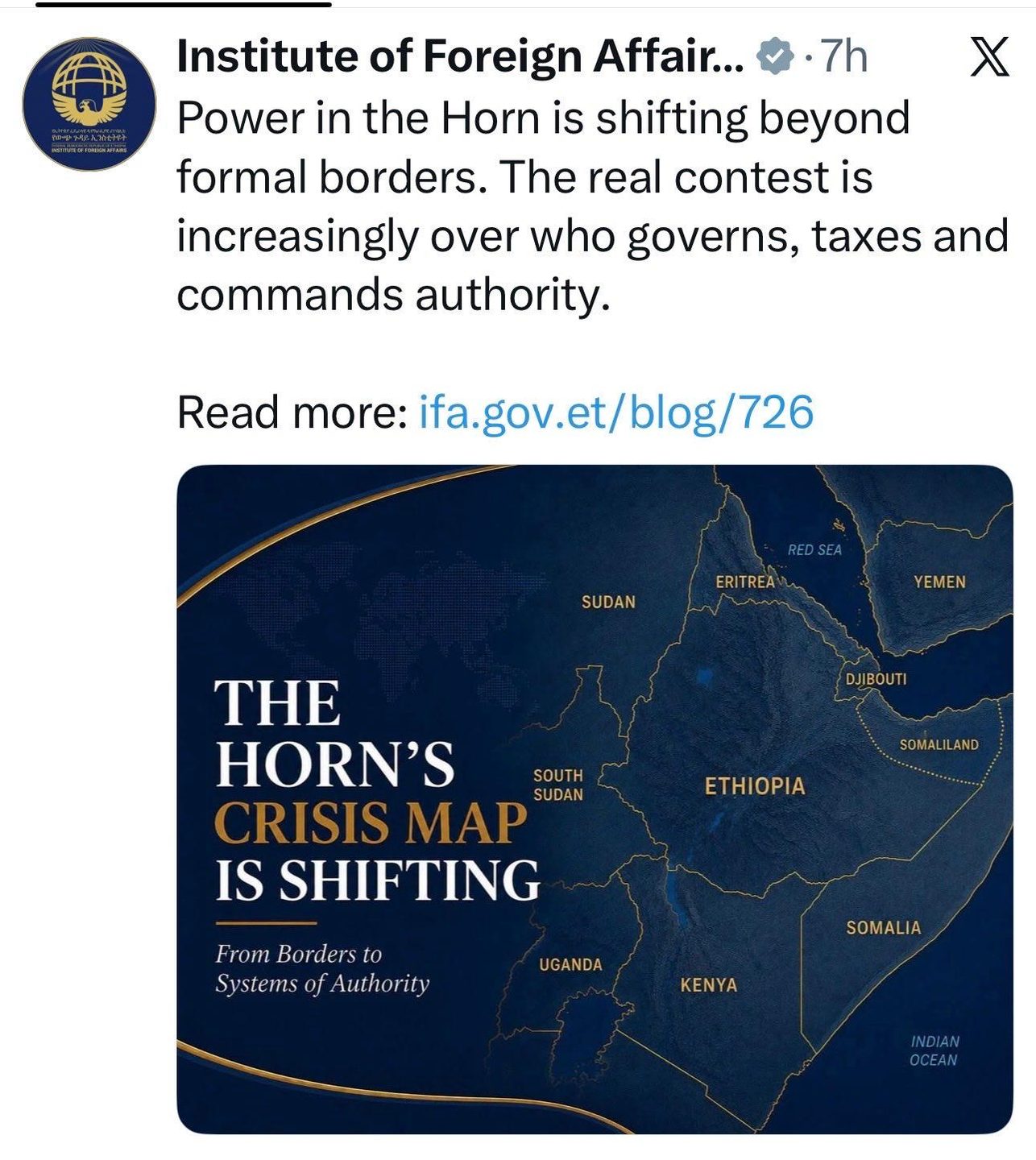
Ethiopia mimics European colonialism when it publishes a map of the Federal Republic of Somalia that resembles the map of the country before the Republic of Somalia came into existence on 1 July 1960.
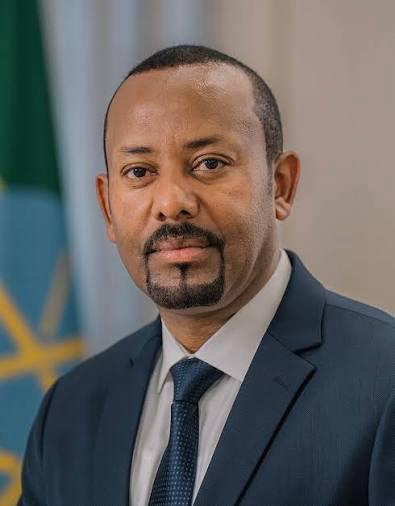
“Power in the Horn of Africa is shifting beyond formal borders. The real contest is increasingly who governs, taxes and commands authority,” tweeted Ethiopia’s Institute of Foreign Affairs. Abiy Ahmed, the Prime Minister of Ethiopia, and his Oromummaa cult are showing Africa and world opinion that he is taking Ethiopia down a path in which Ethiopia repudiates the African Union Charter and United Nations Charter.
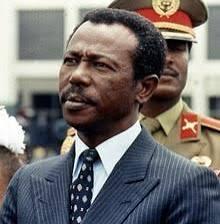
Ethiopia, a country made up of multiple ethnicities and which is undergoing a civil war, has a lot to lose by promoting a dogmatic view against international law. Colonel Mengistu Haile Mariam was not saved by the former Soviet Union when Ethiopia’s plan to turn Somalia into a Soviet sphere of influence by hosting Somali armed opposition fronts was challenged decisively. That Ethiopia today is a landlocked country is the result of Mengistu’s policy of serving the interests of the former USSR, which knew that Somalia was then being backed by the West to prevent the return of the Russians to Somalia.
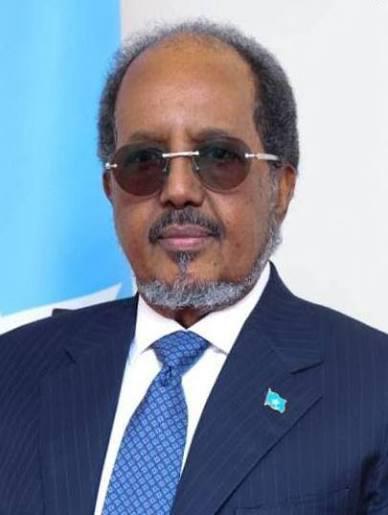
President of the Federal Republic of Somalia Dr Hassan Sheikh Mohamud warned Ethiopia that it will lose its status as the host of the African Union headquarters if it does not respect the sovereignty of the Federal Republic of Somalia.
In 2017, more than one year before the end of TPLF rule in Ethiopia, the TPLF-affiliated Center for Dialogue, Research and Cooperation (CDRC) published a report misleadingly naming clans while advocating for the re-election of President Hassan Sheikh Mohamud. The TPLF’s divide-and-rule policy did not prolong its reign in Ethiopia. Abiy Ahmed seems not to have learned from the Tigrayans’ gimmicks to stay in power before Oromara (the 2016–2018 alliance of Oromo and Amhara) turned the tables on the inheritors of Meles Zenawi’s legacy.
Adam M. S. Hussein teaches history at a university in Mogadishu.
© Puntland Post, 2026