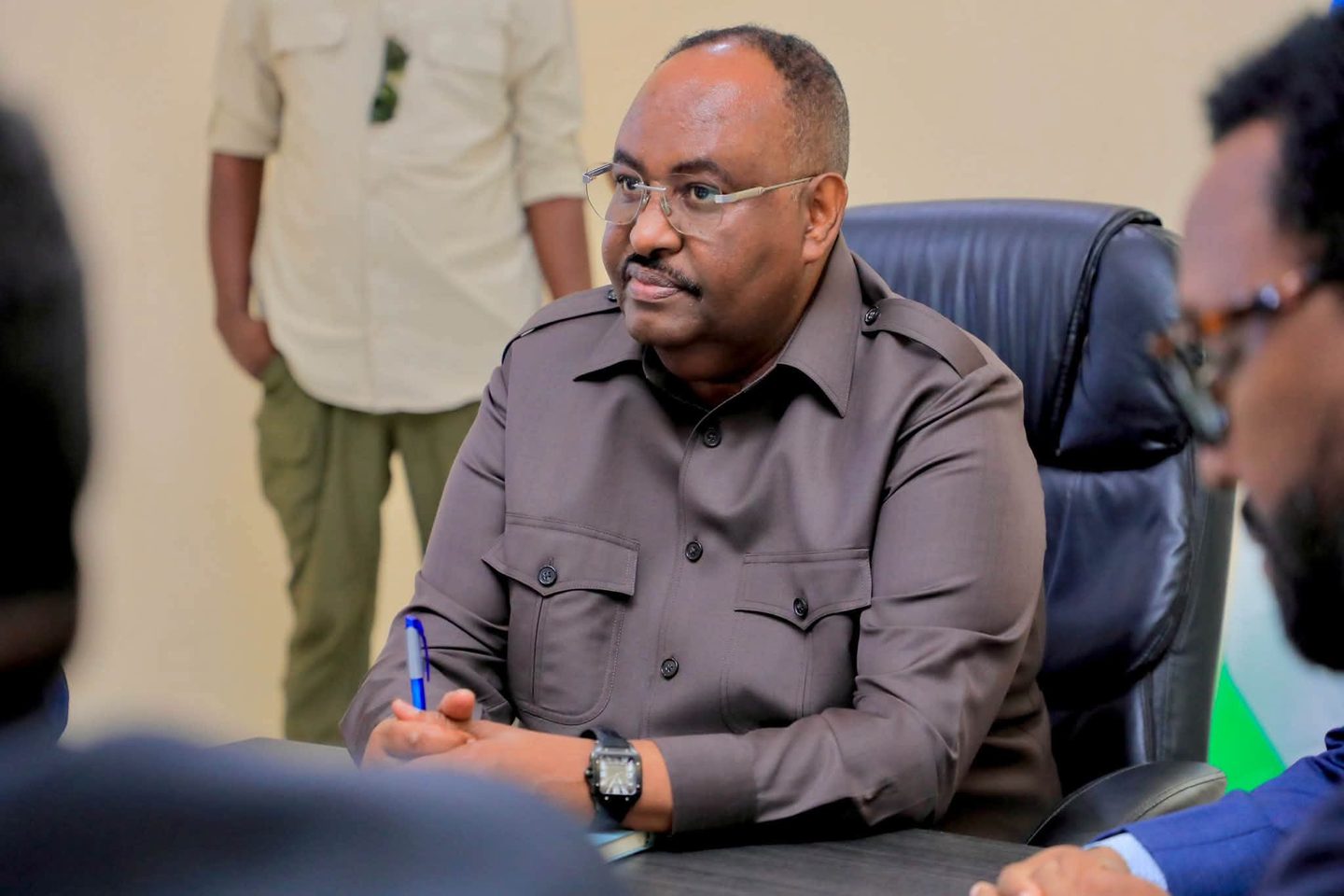
Garowe (PP Editorial) The political predicament in Puntland, exemplified by its isolation from state-building initiatives in Somalia, could be reversed if the incumbent administration changes course and embraces consultation-based governance. Puntland State of Somalia has never lacked politicians who speak up; what is in short supply is the rule of law to check the excesses of the executive branch of government.
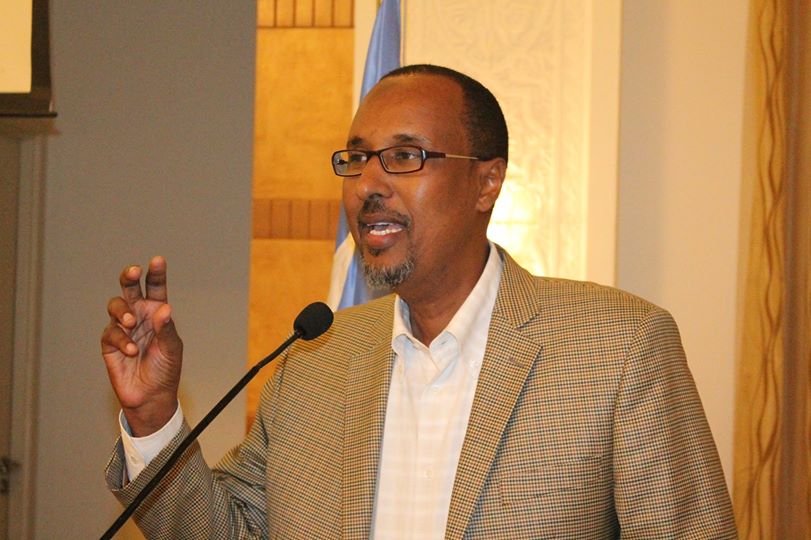
Ali Haji Warsame, a former Education Minister of Puntland State, opposes any attempts to amend the Puntland Constitution. “We cannot blame the Federal Government of Somalia for constitutional violations when here in Puntland we are committing similar constitutional overreaches,” Warsame said recently. “Puntland’s Constitution was amended in 2023 when conflict was raging,” Warsame added.
President Said Abdullahi Deni took advantage of the conflict situation. Local government elections, through which political associations gained political party status, preceded the constitutional amendments.
President Deni’s opponents were divided into two camps. Political rivals rightly viewed the constitutional amendments as flawed. They warned that the Federal Government of Somalia would follow in the footsteps of Puntland State if amendments were not subject to wide consultation. The other camp, made up of key members of civil society, saw a credibility gap between Puntland’s governance practices and what it accused the Federal Government of Somalia of doing.
Puntland advocated for the adoption of federalism in Somalia and single-handedly influenced how the Provisional Constitution was drafted. Successive Puntland presidents have claimed that, until a referendum is held, Puntland would conduct its affairs like an independent country, which it is not. This interpretation of an article in the Provisional Constitution runs counter to the powers vested in post-transition governments since 2012. As a Federal Member State, Puntland has never received recognition from the United Nations. The Federal Government of Somalia is the body responsible for maintaining the territorial integrity and political unity of the Federal Republic of Somalia.
What is more, the Provisional Constitution contains articles governing constitutional amendments. Criticisms of the 2024 amendments to the Provisional Constitution have no legal grounds on which to challenge the amendments made by the bicameral legislature in Mogadishu. Had President Abdirahman Farole consulted widely about his plan to end the transition in 2012, much constitutional wrangling at the federal level would have been averted.
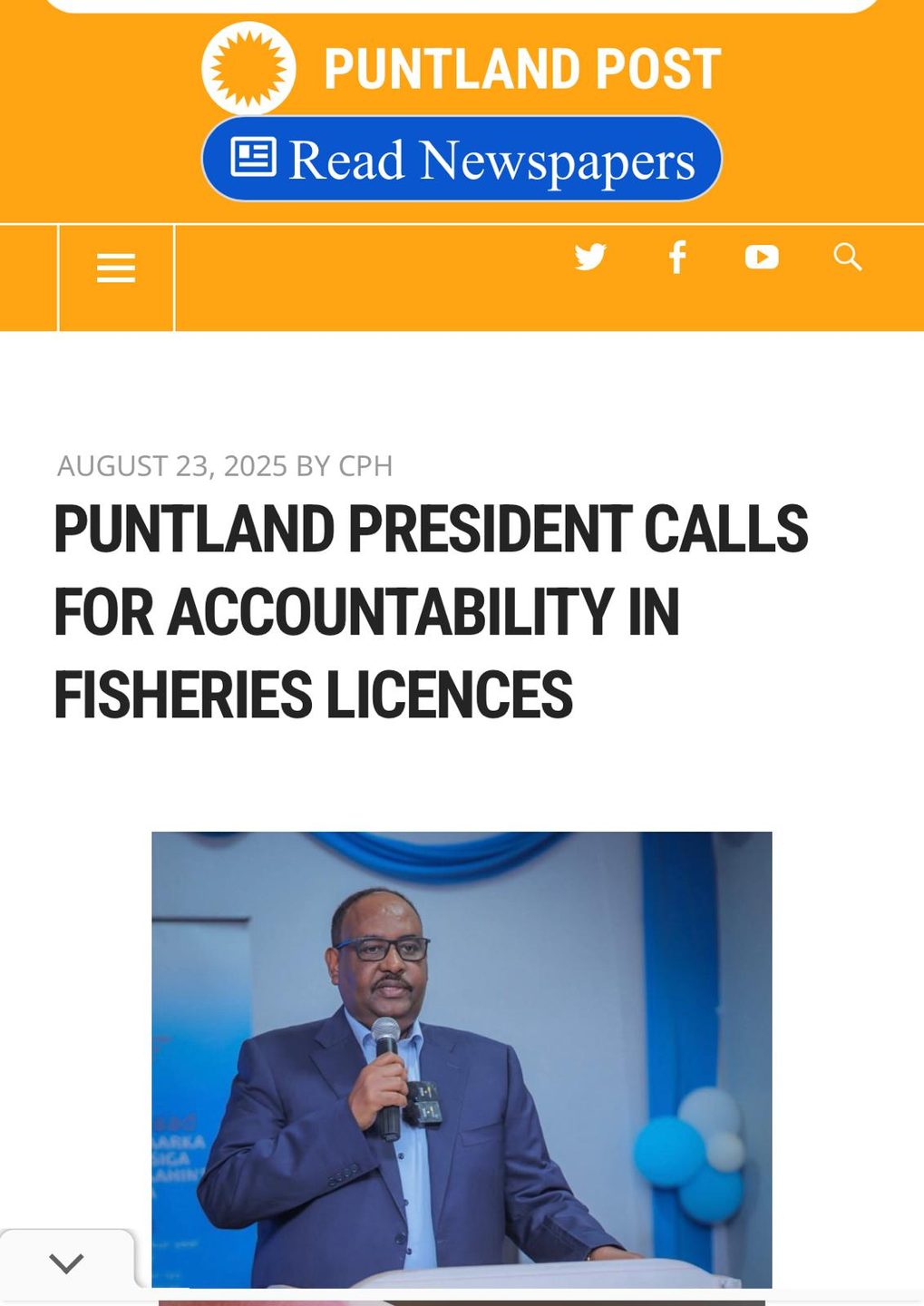
Puntland is a top-down Federal Member State where every new administration grapples with the legacy of maladministration and centralisation it inherits. That is why Puntland has been unable to discharge its obligations to federal institutions, particularly in the domain of fiscal federalism. President Deni alluded to the lack of transparency surrounding Puntland’s revenues when he denounced local political leaders into whose pockets fees generated from fishing licences end up.
The former Prime Minister of Somalia, who was also Puntland President (2014–2019), Dr Abdiweli Mohamed Ali, said that the international community views Puntland troops as clan militias. Ahmed Isse Awad, the former Foreign Minister of Somalia, criticised Puntland for not integrating its forces into the Somali National Army while retaining command of its own forces. “Puntland should not be blaming Mogadishu for receiving all the assistance that the Somali National Army gets from the international community,” Awad said.
The identity-based roots of Puntland as a Federal Member State could have been tempered by good governance. Puntland’s pro-federalism rhetoric is belied by the deep centralisation of presidential power. The President of Puntland makes all critical political and public finance decisions in Puntland. This is a betrayal of the anti-centralist goals of Puntland’s founders.
Only two years remain of President Deni’s term of office. He had the good fortune to oversee retaking territories once occupied by the secessionist Somaliland administration. He ignored calls for wide consultation on constitutional amendments and failed to take into account the break-up of Puntland following the 2025 recognition of the former Sool, Sanaag, Cayn and Khaatumo (SSCK) administration by the Federal Government and the subsequent creation of Northeastern State of Somalia, with Laascaanood as its administrative capital.
Instead, President Deni made overtures to the Somaliland administration, to the point of opportunistically endorsing its secessionist claims, which would absurdly render him a foreigner in Laascaanood or any other part of what was once known as ex-British Somaliland. President Deni has yet to understand the extent to which the 2023 Laascaanood conflict changed the political landscape in Somalia and the Horn of Africa at large.
Two years ago, Puntland launched a successful counterterrorism operation against Daesh in Calmiskaad, yet President Deni has failed to place the sacrifices made by Puntland forces within the wider war against transnational terrorism in Somalia.
Puntland was founded by leaders who were not motivated by political prickliness, secessionism or warlordism. There is much that President Deni can learn from the founding fathers of Puntland State, who were known members of the Somali Youth League.
© Puntland Post, 2026