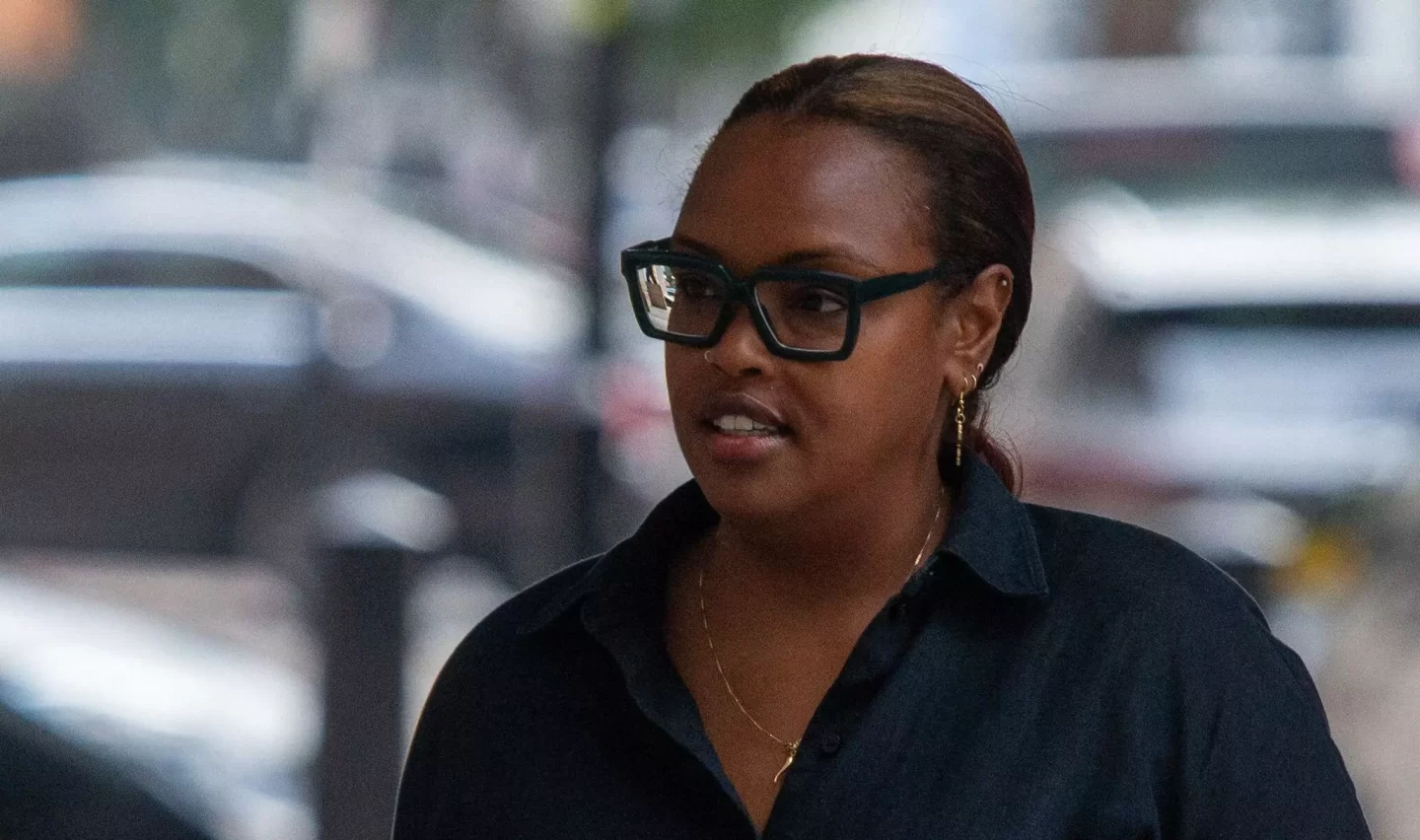
Nimco Ali agrees to pay “substantial” damages to academic she wrongly accused of being a paedophile
When a remote east African city was being shelled by Somaliland soldiers three years ago, a German academic became an unlikely messenger for the beleaguered inhabitants of Las Anod.
Dr Markus Hoehne, an anthropologist then at Leipzig University, spoke Somali and had previously spent time in Las Anod researching for his doctorate in the early 2000s.
As the city’s hospital came under attack, his local sources provided a daily stream of information, which he posted on Twitter.
Hoehne’s war diary helped foreign media outlets, like Declassified, cover the assault on Las Anod, which started when a police unit – possibly British trained – massacred protesters.
Soon he was briefing diplomats on the situation who in turn informed the United Nations.
But not all the attention Hoehne received was positive.
For supporters of Somaliland’s government, his description of life on the eastern edge of what they regarded as their territory posed a significant political problem.
Somaliland, a break away region of Somalia, was at that point unrecognised by any foreign state.
To make its case for international legitimacy, it sold itself as a peaceful democracy, in sharp contrast to the rest of Somalia which was often engulfed in conflict.
Hoehne was undermining this positive narrative by highlighting the suppression of protesters in Somaliland.
Worse still, the inhabitants of Las Anod were unionists who actually wanted to rejoin Somalia – a tendency Hoehne had been documenting in his academic writings over many years.
As Hoehne’s tweets gained traction, so did a devastating riposte.
Social media accounts supporting Somaliland’s government began to say he was a paedophile who had been deported from Hargeisa, Somaliland’s capital, for raping a girl.
Source: Declassified UK