The Organization of Islamic Cooperation (OIC) condemned the Israeli Knesset’s initial approval of the so-called “Muezzin Law,” a bill that would restrict the Muslim call to prayer, warning that it violates freedom of worship and targets Arab and Islamic identity in the occupied Palestinian territories.
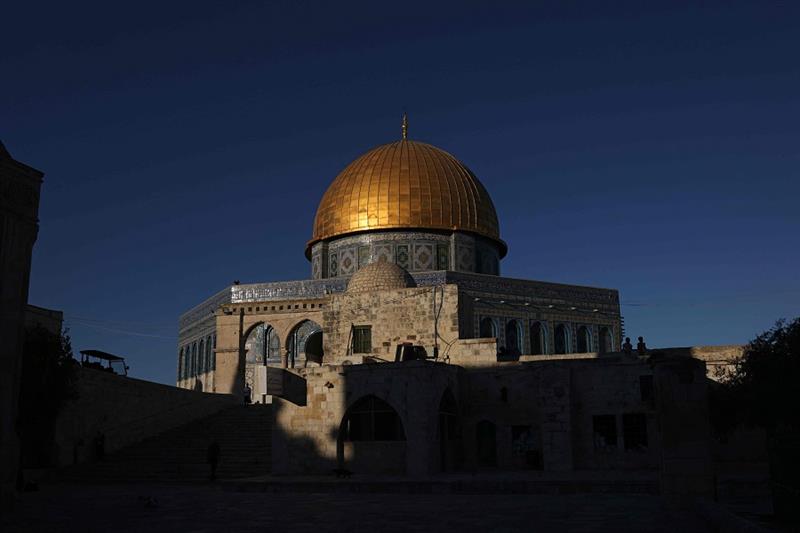
In a statement on Thursday, the OIC General Secretariat described the bill as a “null and void measure and a legislative crime of a discriminatory and racist nature,” as well as a flagrant violation of freedom of religion and worship and of cultural and religious rights guaranteed under international law.
The OIC said the proposal forms part of a series of Israeli laws, decisions, and policies targeting the Palestinian presence and Arab and Islamic identity.
It also described the bill as a direct attack on the sanctity of religious rites and Islamic holy sites.
The OIC said restricting the call to prayer violates Israel’s obligations under international legal instruments, including the International Covenant on Civil and Political Rights and the Universal Declaration of Human Rights, which protect the right to practise religious rites without discrimination.
It urged the international community, particularly the United Nations and its specialized agencies, to act urgently to halt these measures, repeal the legislation, ensure respect for freedom of worship, protect Islamic holy sites, and hold Israel accountable as the occupying power.
The condemnation comes amid mounting attacks on and restrictions affecting Islamic holy sites since the outbreak of the Israeli genocidal war on Gaza in October 2023.
In the Gaza Strip, the Palestinian Ministry of Awqaf and Religious Affairs said more than 815 mosques had been destroyed and at least 151 others partially damaged by February 2025, leaving nearly four-fifths of the enclave’s mosques unusable.
In occupied East Jerusalem, access to the Al-Aqsa Mosque compound has remained subject to extensive security restrictions.
Palestinian worshippers from the occupied West Bank have frequently been denied access, while Israeli authorities have imposed age and geographical restrictions during major religious occasions, including Ramadan.
The compound has also seen a significant increase in incidents of storming by Israeli settlers under police protection, including by senior Israeli officials.
Elsewhere in the occupied West Bank, mosques have been damaged during Israeli military operations in refugee camps and urban areas, while Palestinian officials and human rights groups have documented repeated incidents of settler vandalism and arson targeting places of worship.
The OIC’s criticism also echoed concerns over restrictions imposed at the Ibrahimi Mosque in occupied Hebron, where Palestinian authorities say Israeli forces have repeatedly suspended the Muslim call to prayer and closed the site to Muslim worshippers during Jewish religious holidays to facilitate access for Israeli settlers.
International humanitarian law, including the 1954 Hague Convention for the Protection of Cultural Property in the Event of Armed Conflict, prohibits deliberate attacks against cultural and religious sites unless they are being used for military purposes.
Human rights organizations have warned that restrictions on access to places of worship and damage to religious heritage raise serious concerns over compliance with international legal obligations.
Source: Al Ahram Online