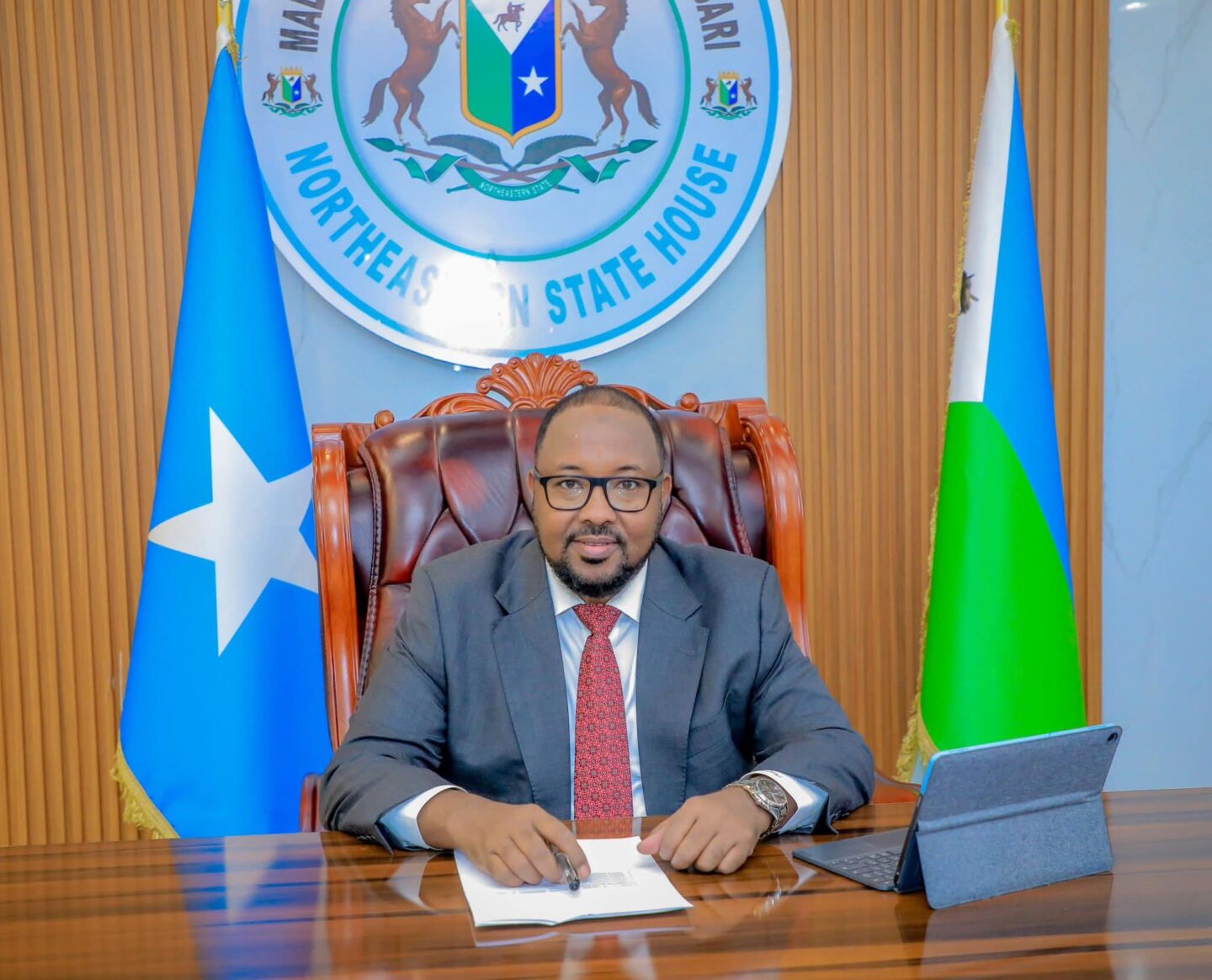
Laascaanood (PP Editorial) — The Somaliland Administration and the North East State of Somalia have exchanged civilian detainees. The exchange was facilitated by Garaad Kulmiye, a prominent traditional leader from the Somali Region of Ethiopia.
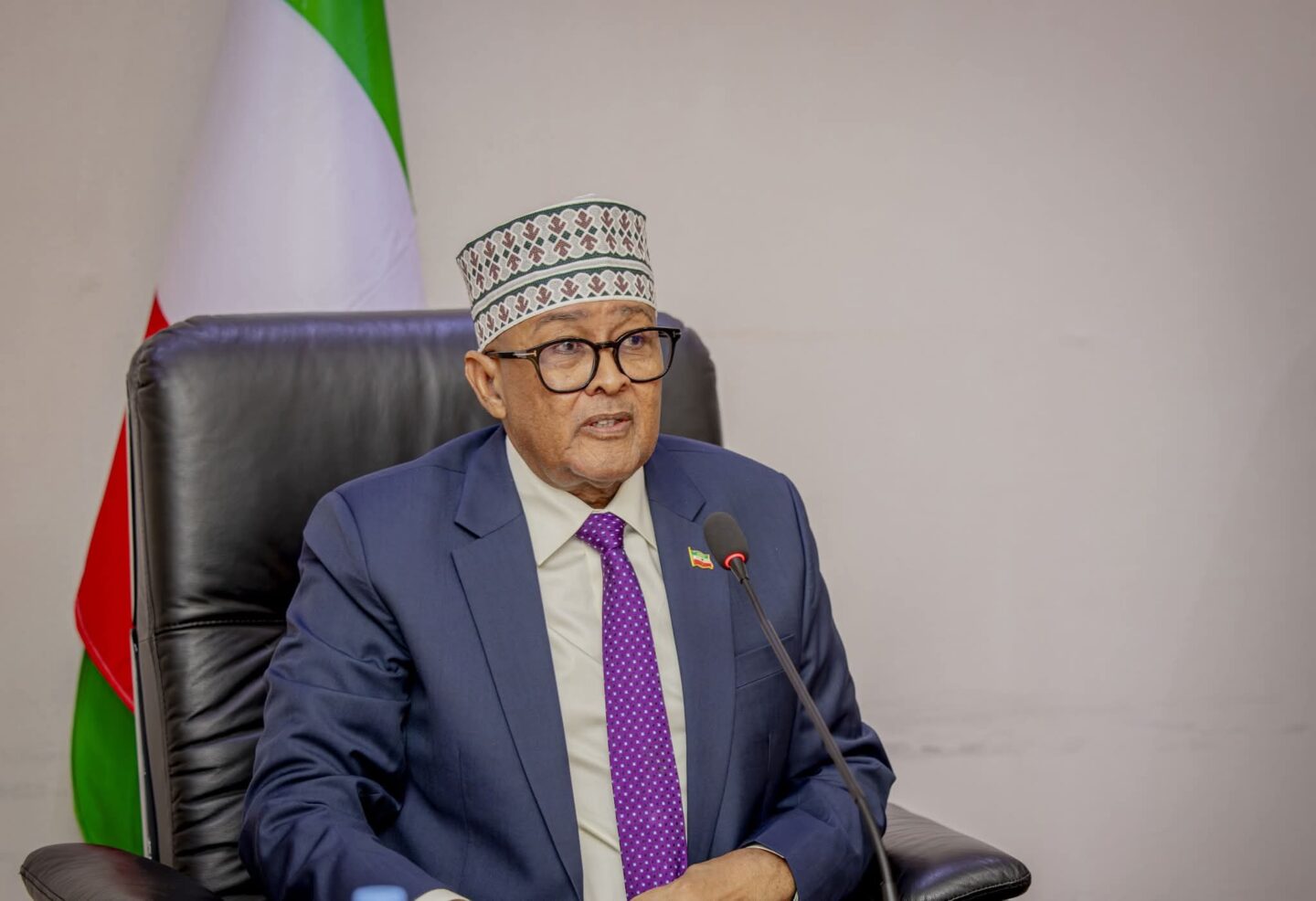
The civilians had been detained after entering areas affected by the conflict. Several months ago, following Eid al-Fitr, Somaliland Administration President Abdirahman Mohamed Abdullahi (Cirro) commended Garaad Kulmiye for his role as a mediator and pledged to continue supporting mediation efforts.
President Abdullahi stated that during the 2023 Laascaanood conflict “mistakes had been made”. By this, he appeared to be referring to the portrayal of the conflict as a war between the Somaliland Administration and Al-Shabaab. This characterisation had previously been advanced by his predecessor, Muse Bihi Abdi, in an attempt to depict the unionist forces resisting Somaliland Administration troops on the outskirts of Laascaanood as extremist elements.
President Abdullahi initially criticised the position adopted by the Somaliland Administration during the conflict. However, he later expressed support for Somaliland forces engaged in fighting against Puntland and what was known as SSC-Khaatumo forces.
The Somaliland Administration justified its military campaign by arguing that its forces were defending the borders of the former British Somaliland Protectorate within the sovereign territory of Somalia. Critics contend that the Administration transformed its secessionist claim into a questionable legal argument, contributing to a conflict that resulted in thousands of deaths, the displacement of more than 350,000 people and injuries to thousands more. The Somaliland Administration also rejected repeated calls from the international community to withdraw its forces from the outskirts of Laascaanood.
In 2025, the President of the North East State of Somalia, then serving as leader of the SSC-Khaatumo Administration, authorised the release of more than twenty detainees on humanitarian grounds following extensive consultations. The detainees were flown to Mogadishu, where the Federal Government of Somalia arranged onward travel to Hargeisa. The decision was widely viewed as a confidence-building measure aimed at reducing tensions and encouraging dialogue.
Last week, Saleeban Abdi Madobe, a senior negotiator representing the North East State of Somalia, stated that the Federal Member State remained committed to peace talks and a peaceful resolution of the conflict. Neither administration has yet issued a formal statement regarding the latest exchange of civilian detainees, although the Somaliland Administration published photographs of those it released.
President Abdullahi appears to recognise that the trajectory of the conflict has shifted, making the Mogadishu-based Federal Government of Somalia one of the principal beneficiaries of Somaliland’s strategic miscalculations. In recent years, the Federal Government has strengthened its diplomatic and legal position. It has introduced electronic visa requirements for travellers entering Somalia without a Somali passport and has implemented the Electronic Cargo Tracking Note (ECTN) system.
As a result, the Federal Government now possesses greater oversight of maritime trade and shipping activity. The ECTN system enables authorities to monitor cargo movements more effectively, improve customs enforcement and obtain more comprehensive information regarding vessels docking at Somali ports and the flow of commercial goods through local administrations operating port facilities.
The North East State of Somalia previously proposed an exchange of detainees captured during the conflict under a process overseen by the Federal Government of Somalia. The Somaliland Administration rejected that proposal because it continues to base its claim to statehood on the unilateral declaration issued in Burao on 18 May 1991.
The role of traditional mediators such as Garaad Kulmiye remains important but limited. While they can facilitate confidence-building measures, they cannot by themselves address the underlying political causes of the conflict. These challenges have become even more complex following Somaliland’s claim that it has received recognition from Israel.
Meanwhile, the United Nations, the United States, the European Union, the African Union and the Arab League have consistently reaffirmed their support for the sovereignty, territorial integrity and political unity of the Federal Republic of Somalia.
The exchange of civilian detainees could pave the way for more substantive negotiations. Such talks may eventually lead to practical arrangements governing relations between the political institutions of the Somaliland Administration and the North East State of Somalia. Any durable settlement is likely to require a broader peace agreement, further detainee exchanges and continued engagement by Somalia’s international partners alongside the Federal Government of Somalia.
© Puntland Post, 2026