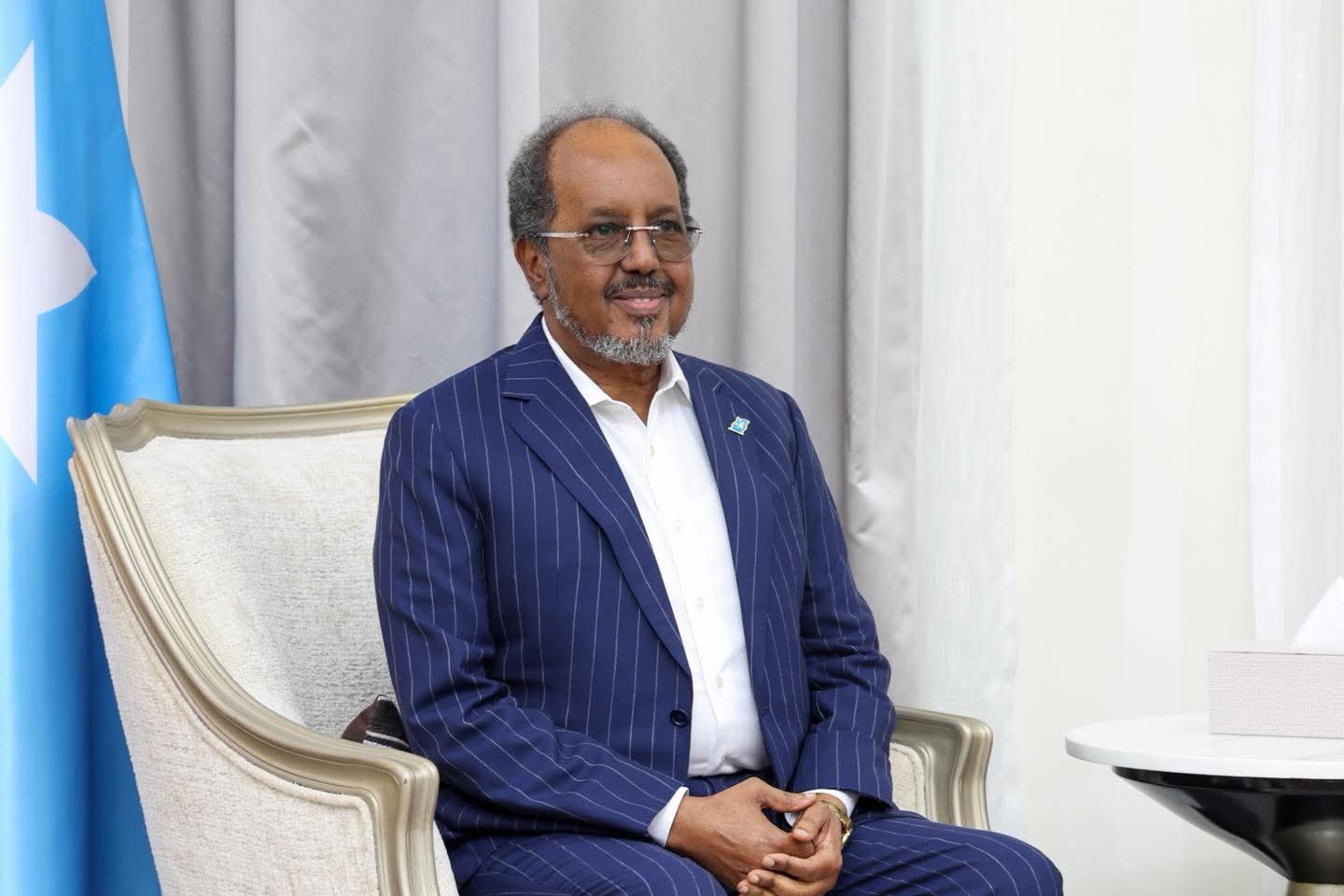
Mogadishu (Commentary) — Why does Marinaio, the former headquarters of the Somali Navy in the Abdulaziz District of Mogadishu, turn into a political foxhole whenever the going gets tough for some Mogadishu heavyweights?
Twenty years ago, warlords who cobbled together the so-called Alliance for Counter-Terrorism fled to North Mogadishu when the Union of Islamic Courts swept aside the warlord militias in South Mogadishu.
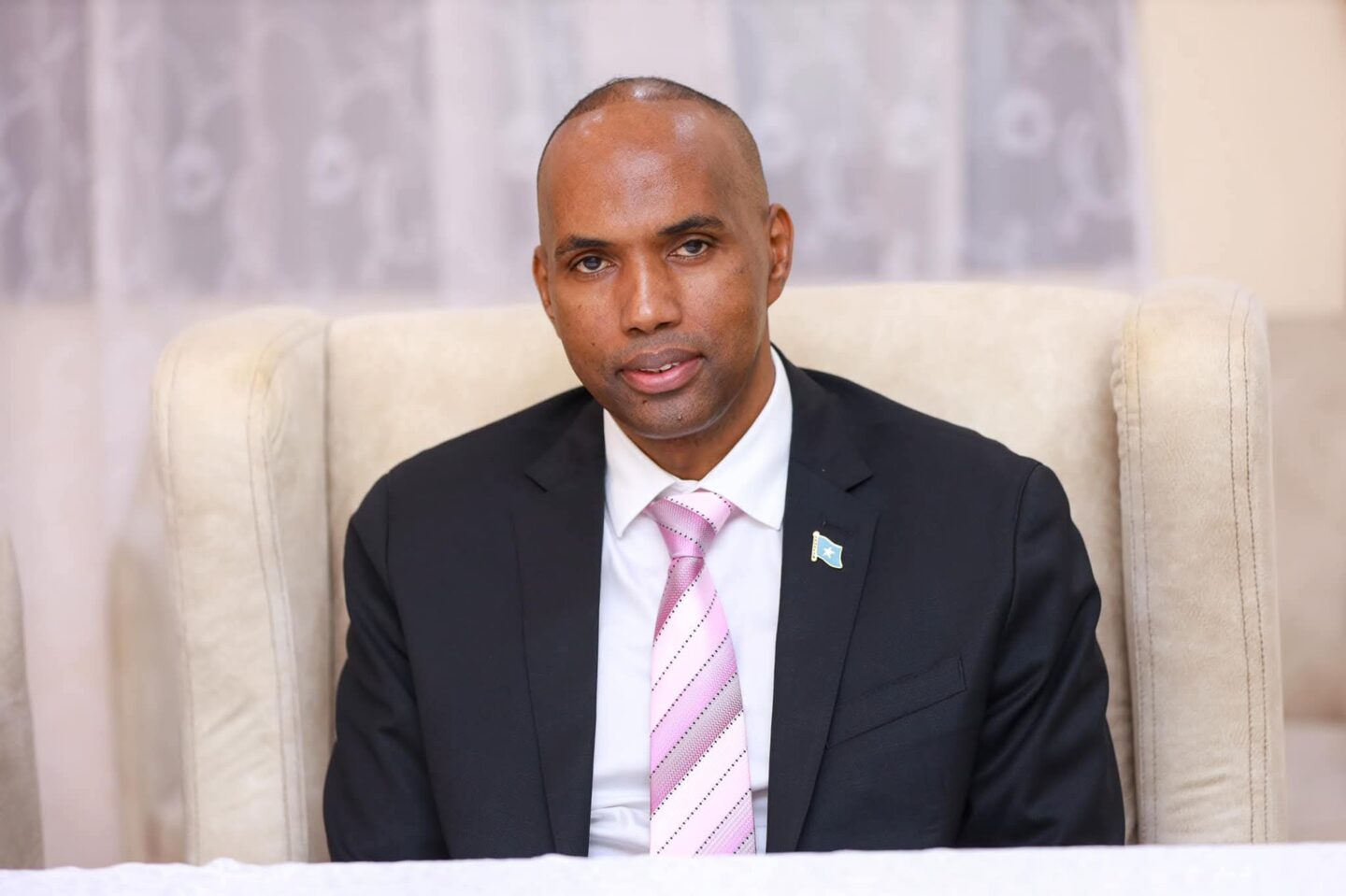
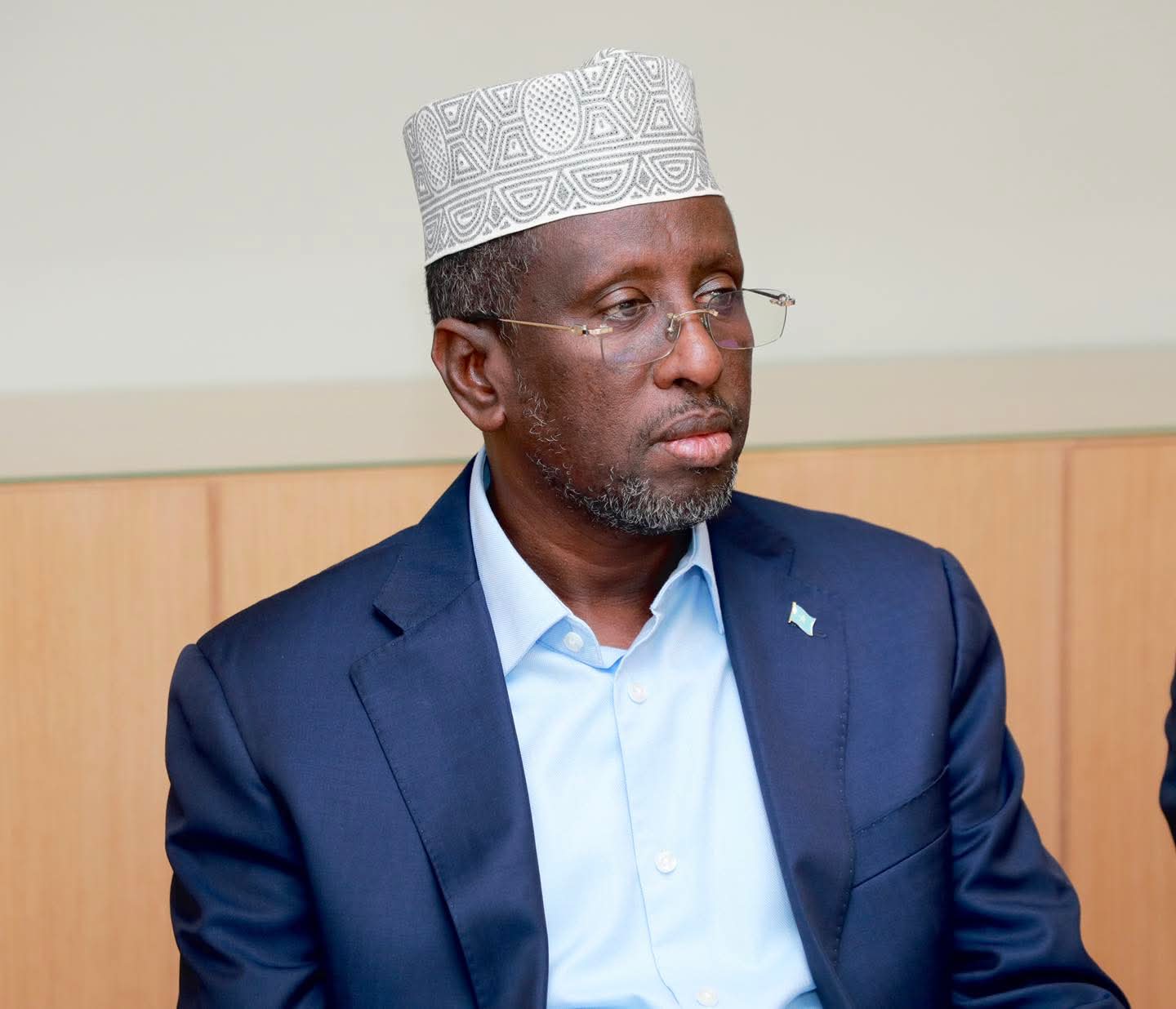
Few would have envisaged that Sharif Sheikh Ahmed, former President of Somalia, would retreat to North Mogadishu to coordinate with his colleague, Hassan Ali Khaire, a former Prime Minister, an armed opposition against the Federal Government of Somalia.
Khaire set up a temporary base in Ceel Hindi, a neighbourhood of Hawl Wadaag, hardly 400 metres from the Somali Presidency. Balaclava-wearing, anti-tank weapon-wielding militiamen were sent into the streets to threaten Somali government forces with violence.
Sharif, for his part, is on record as threatening an all-out war against the Federal Government. “Every person has a gun in Mogadishu,” he said several months ago. “I don’t know what religion this government professes,” he said a week ago, as though a government were a creature with a creed.
At Marinaio, Hawiye traditional elders rejected demands made by Sharif Sheikh Ahmed to mediate between him and President Hassan Sheikh Mohamud, whom he referred to as the “former president”. Senior officers of the Somali Military Court visited Sharif Sheikh Ahmed at his residence in North Mogadishu and urged him to return to his home in South Mogadishu without inciting violence. He duly obliged.
The legacy of the Mogadishu conflict, known as the Four-Month War (November 1991 – March 1992), divided Mogadishu into South Mogadishu, predominantly controlled by General Mohamed Farah Aideed, and North Mogadishu, ruled by President Ali Mahdi Mohamed before the Green Line ended in 2006.
The Murusade clan, once based in South Mogadishu, had to retreat into Dayniile after being overrun by General Aideed’s forces in late 1991, in what came to be known in Mogadishu conflict lore as “Kuwait”, reference to how Iraq unilaterally invaded and claimed Kuwait as part of Iraq in 1990.
The once-powerful Hawadle, that in 1991 controlled the Mogadishu International Airport , suffered a similar fate at the hands of General Aideed. Hawadle militias were accommodated in a part of South Mogadishu once under the forces of Senator Muse Suudi. The area later became known as Jiiro Miskiin (“The Beggars’ Turn”).
Investigations are reportedly under way in Mogadishu to determine which houses some politicians use to store weapons and facilitate the illegal arms trade in the city.
“If security forces receive information that you have weapons in your house, they will ask a court for permission to search your home,” President Hassan Sheikh Mohamud said last year.
Charges may be brought against Sharif Sheikh Ahmed and Hassan Ali Khaire if investigators find further evidence that they mobilised clan militias against the Federal Government of Somalia. Mogadishu Police paraded weapons seized from militias allegedly deployed by Khaire in Hawl Wadaag. Unconfirmed reports indicate that militias in the Abdulaziz District associated with Sharif Sheikh Ahmed have been disarmed.
“You can express your views in any way you like, but if you take up arms and threaten to kill people, the government will take those weapons from you,” President Hassan Sheikh Mohamud said on another occasion.
© Puntland Post, 2026