
Mogadishu (PP Editorial) — Dahir Amin Jessow, a Somali Federal Parliament MP, claimed that after 15 May 2026 President Hassan Sheikh Mohamud would become an ordinary citizen. Jessow was one of the most vocal defenders of the illegal term extension for President Mohamed Abdullahi Mohamed and the federal institutions.
Ten years ago, Puntland State of Somalia opposed a return to indirect elections. The former Ethiopian Foreign Minister, Dr Tedros Adhanom Ghebreyesus (Director-General of the World Health Organisation), helped broker a break in the deadlock. That delay added nearly six months to the mandate of President Hassan Sheikh Mohamud.
The current disagreements over the electoral model reflect the complexity of Somalia’s federal system in bringing “opposition” stakeholders together to reach consensus, despite implicit disagreements on major institutional issues such as NIRA, e-visas for foreign passport holders and the management of the national airspace.
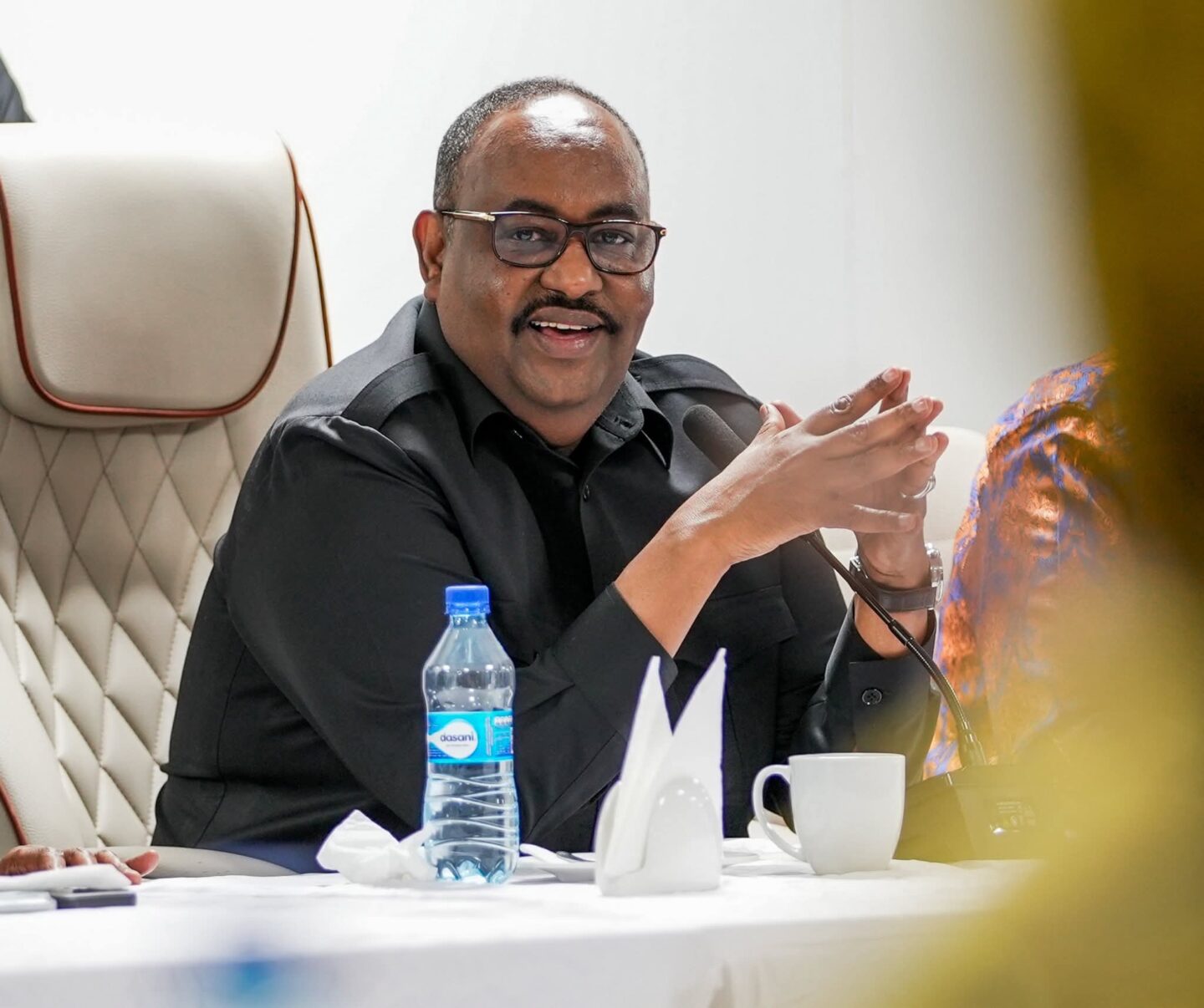
The successful local elections held in Puntland and Mogadishu in 2023 and 2025 respectively strengthen the case for one person, one vote elections, argue proponents of universal suffrage in Somalia. Opponents of the constitutional amendments turn a blind eye to their disagreements over how Puntland State interprets articles of the Constitution to claim quasi-sovereign rights bordering on secession. Shelving this political inconvenience does not conceal the fact that former Somalia President Sharif Sheikh Ahmed and his allies aim to unseat the incumbent President without addressing the policies that alienated Puntland, despite its self-defeating political decisions that have left it isolated from state-building institutions since 2023.
Yesterday, the President of Jubaland State, Ahmed M. Islam, departed for Kismayo, leaving Said Abdullahi Deni, the President of Puntland State of Somalia, with the task of continuing negotiations with the Federal Government of Somalia to reach consensus on an electoral model.
The collapse of talks between the Federal Government of Somalia and the self-styled Council of the Future of Somalia resulted, among other issues, from disagreement over elections in South West State, Galmudug, and Hirshabeelle, three Federal Member States whose Presidents have chosen to align their electoral agendas with that of the Federal Government of Somalia in an attempt to hold one person, one vote elections under the federal system.
© Puntland Post, 2026