Laascaanood (PP Report Desk) — The state-building process in Somalia entered a new stage in 2012, when the country ended its transitional period and established a permanent government. A central feature of this post-conflict political transformation has been the formation of new Federal Member States. Since 2013, the Federal Government of Somalia has played a key role in this process, from the formation and expansion of Federal Member States to the negotiation of the 2013 Somali Compact in Brussels, the lifting of the arms embargo and the successful completion of debt relief under the Heavily Indebted Poor Countries (HIPC) Initiative.
The Northeastern State of Somalia joined the Federal Member States in 2025, following a conference held in Laascaanood and attended by representatives from the Sool, Sanaag, and Togdheer regions. Overseen by the Federal Ministry of Interior, the conference produced a constitution that paved the way for the election of a new President and Vice President, followed by the formation of a cabinet.
This transition to full Federal Member State status was made possible by the gradualist approach to state-building adopted by the Northeastern State — first established as the Sool, Sanaag, Cayn and Khaatumo (SSCK) Authority between 2023 and early 2025, when the Federal Government of Somalia recognised it as an administration tasked with organising a conference to form a new Federal Member State comprising more than two regions.
A Ministry Driving Fiscal Recovery
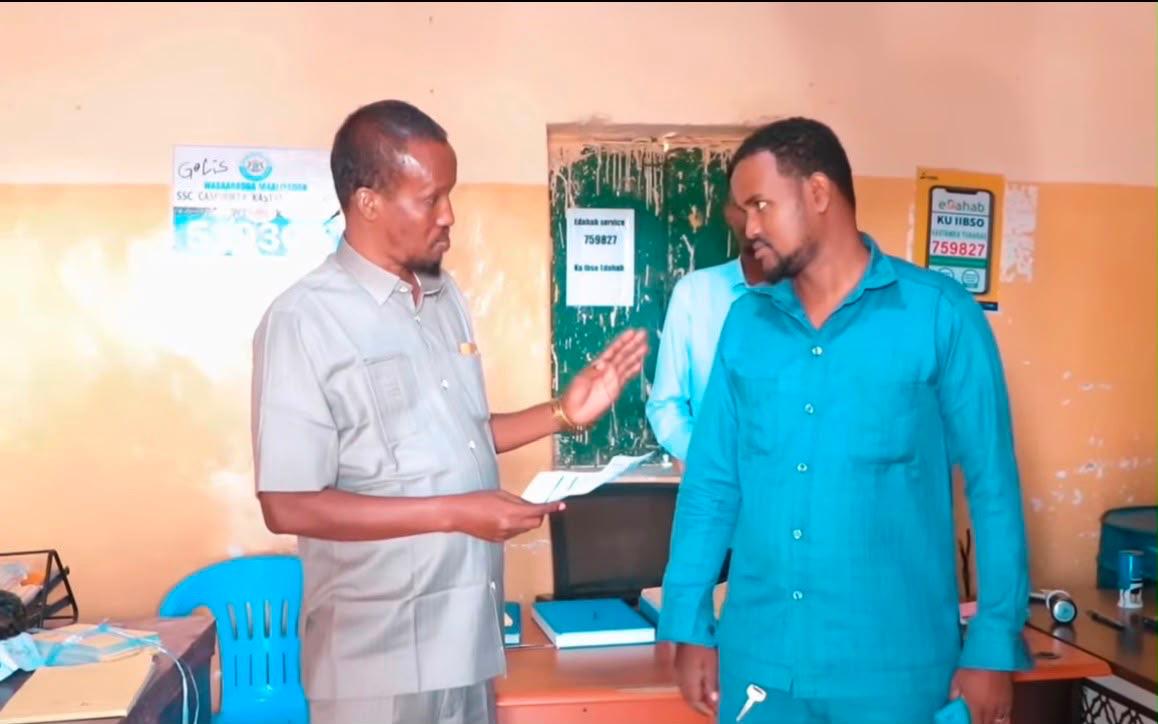
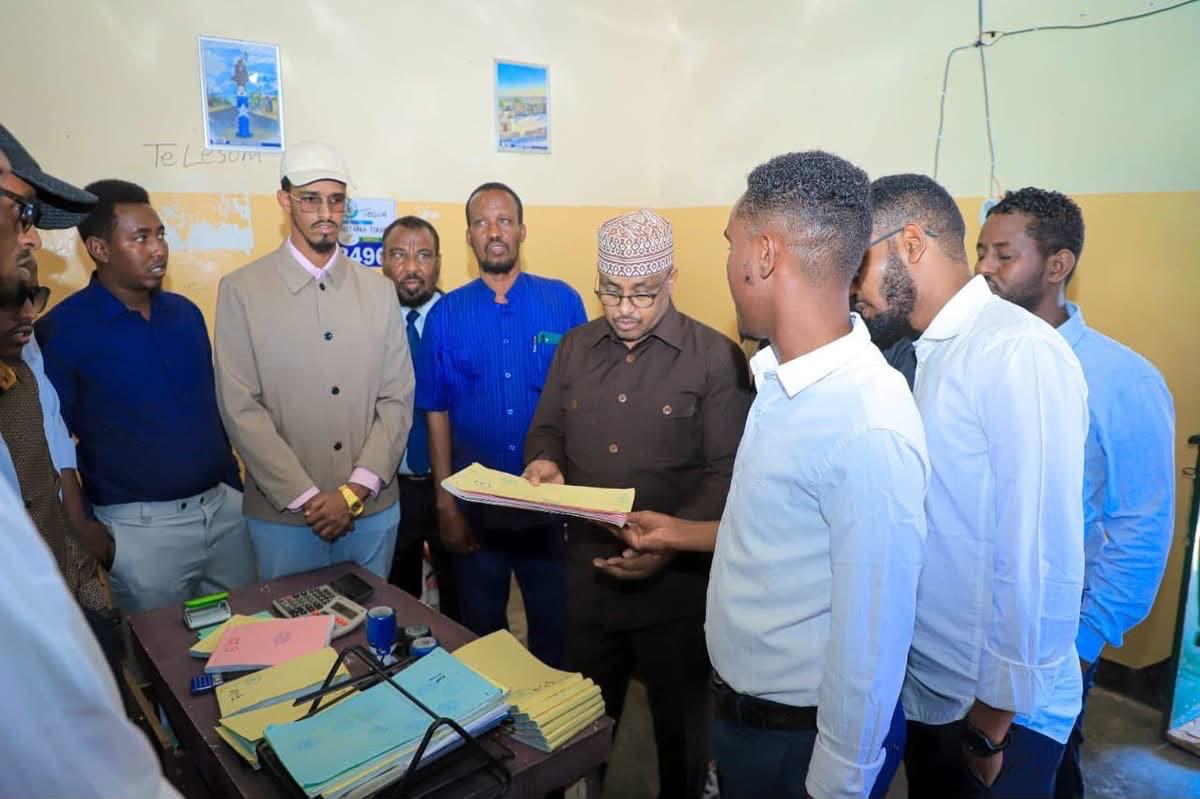
Central to the governance progress made in the Northeastern State, and in its predecessor administration, the SSCK, has been the work of the Ministry of Finance based in Laascaanood. Since late 2023, the Ministry has led efforts to help the Federal Member State recover from conflict and build effective revenue collection and generation systems to strengthen public service delivery. These initiatives have been supported by subsidies from the Federal Government of Somalia and contributions from the Northeastern State diaspora in social sectors.
The Northeastern State complies fully with Somalia’s fiscal federalism requirements, which oblige Federal Member States to disclose their revenues and revenue sources so that the Federal Government can assess each state’s contribution to national coffers and the level of budgetary support it may receive in return.
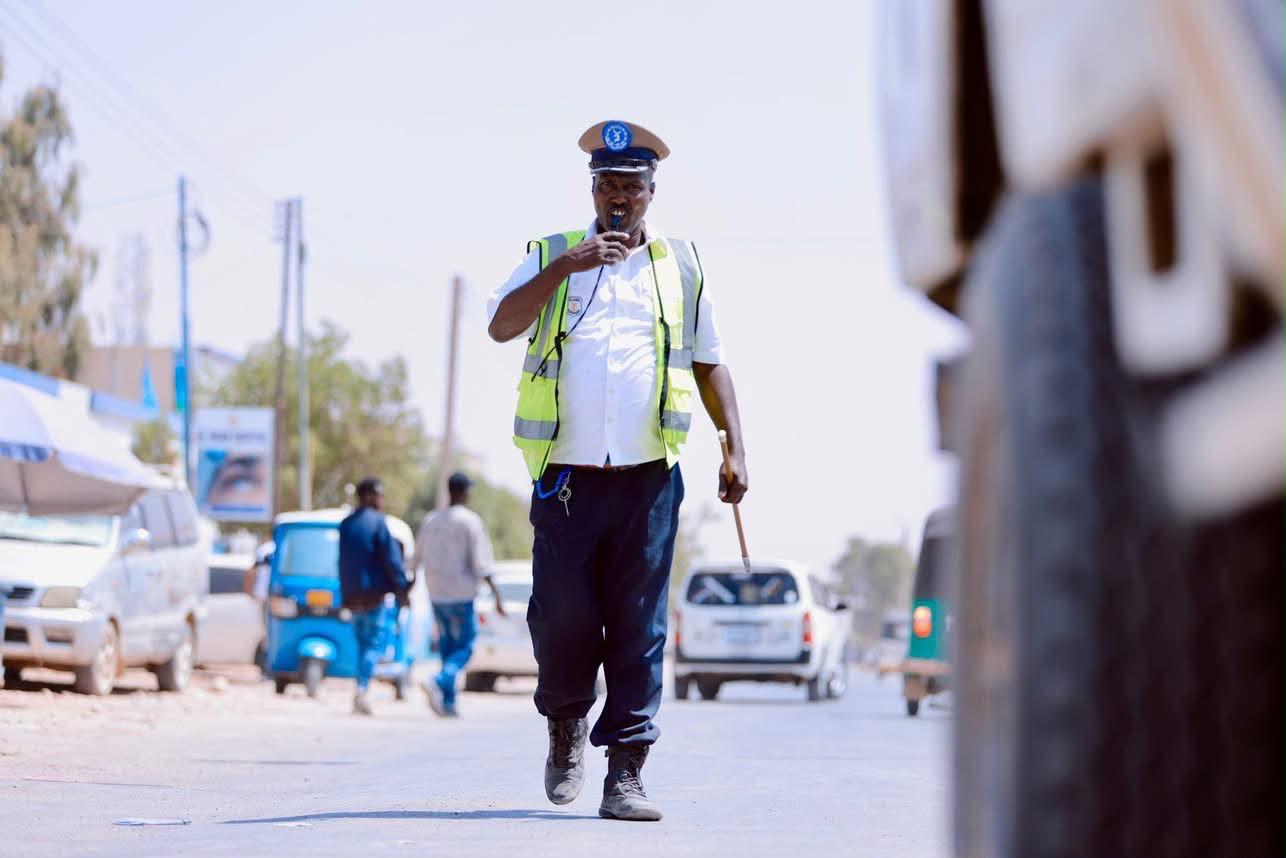
Maintaining peace remains a top priority for the state’s leadership, ensuring that revenue collection and generation capacity continues to be strengthened through the commitment and calibre of its staff, and through continued compliance with the requirements of the Financial Governance Committee (FGC).
“Fiscal federalism is a litmus test for every Federal Member State,” said a senior official of the Northeastern State. “Compliance with it should never be affected when a Federal Member State falls out with or severs ties with the Federal Government of Somalia. The obligation to declare revenues in the Federal Member States is binding on all Federal Member States. The Northeastern State’s leadership will never take decisions that affect people’s right to access budgetary support or other kinds of assistance from the Federal Government of Somalia.”
Raising Revenue, Raising Awareness
In recent months, the Ministry has launched a wide-ranging revenue enhancement programme, combining public awareness, institutional reform and international engagement. Increasing revenue through various channels is the top priority for the Ministry.
Revenue enhancement committees have been established and are now active in both the Northeast regions and the diaspora, supported by extensive consultations. Outreach visits to diaspora communities in the United States and Europe provided briefings and encouragement, with diaspora members invited to take part in the state’s development.
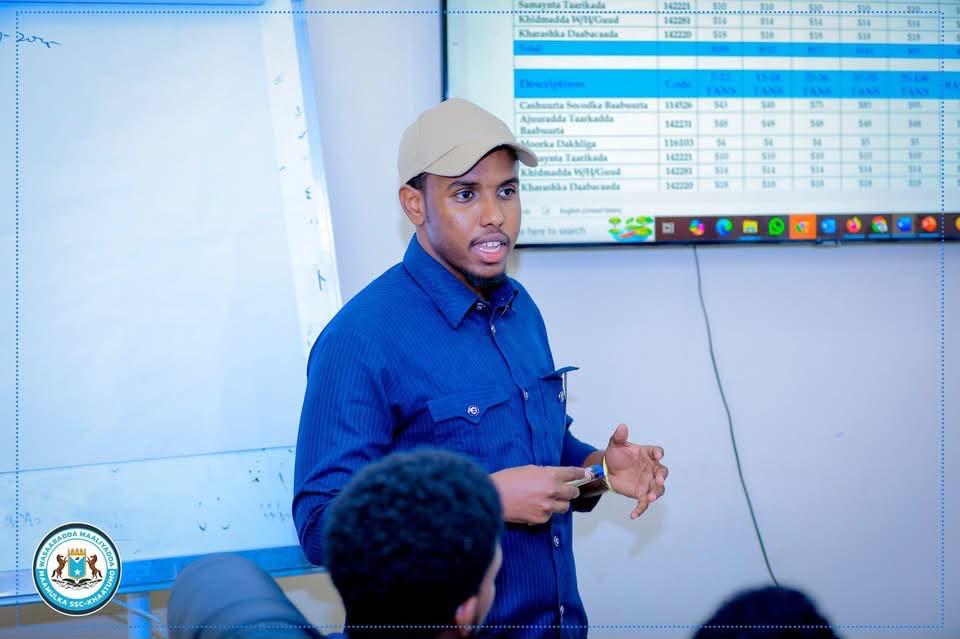
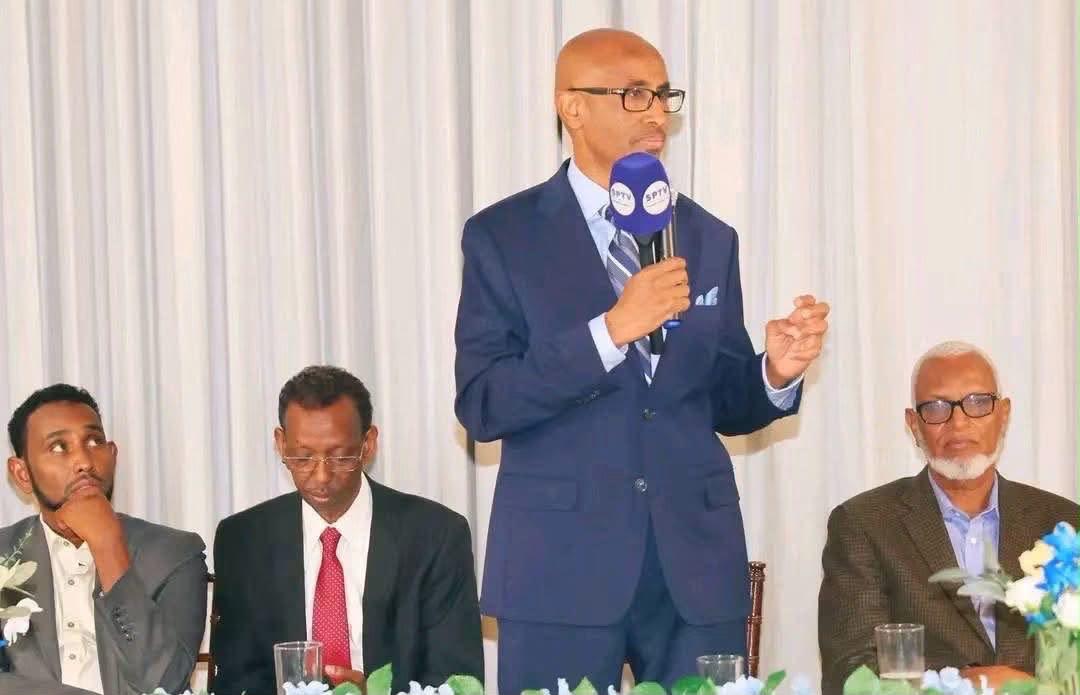
“We are accountable to our people. I have an app showing how much revenue has been collected by tax collectors,” Minister Abdiqani Hirad told the Northeastern State community in Minnesota during one such visit.
President Abdulkadir Aw Ali has also placed revenue mobilisation at the centre of his governance agenda, dedicating a recent trip to the capital, Mogadishu, to securing development projects and revenue sources that strengthen government capacity, an effort that yielded significant results. Meanwhile, the Revenue Department itself has undergone substantial renovation and expansion, nearing completion.
Building Institutional Capacity
The Ministry has facilitated extensive training across government institutions, delivered by experts and senior advisors. This has included Public Financial Management (PFM) training attended by representatives of the Ministry, Parliament, the Audit office, Finance staff and other agencies, including the security forces. Revenue officers received advanced training on revenue-related matters, including Training of Trainers (TOT) sessions, while Ministry leadership received legal training on relevant laws and regulations.
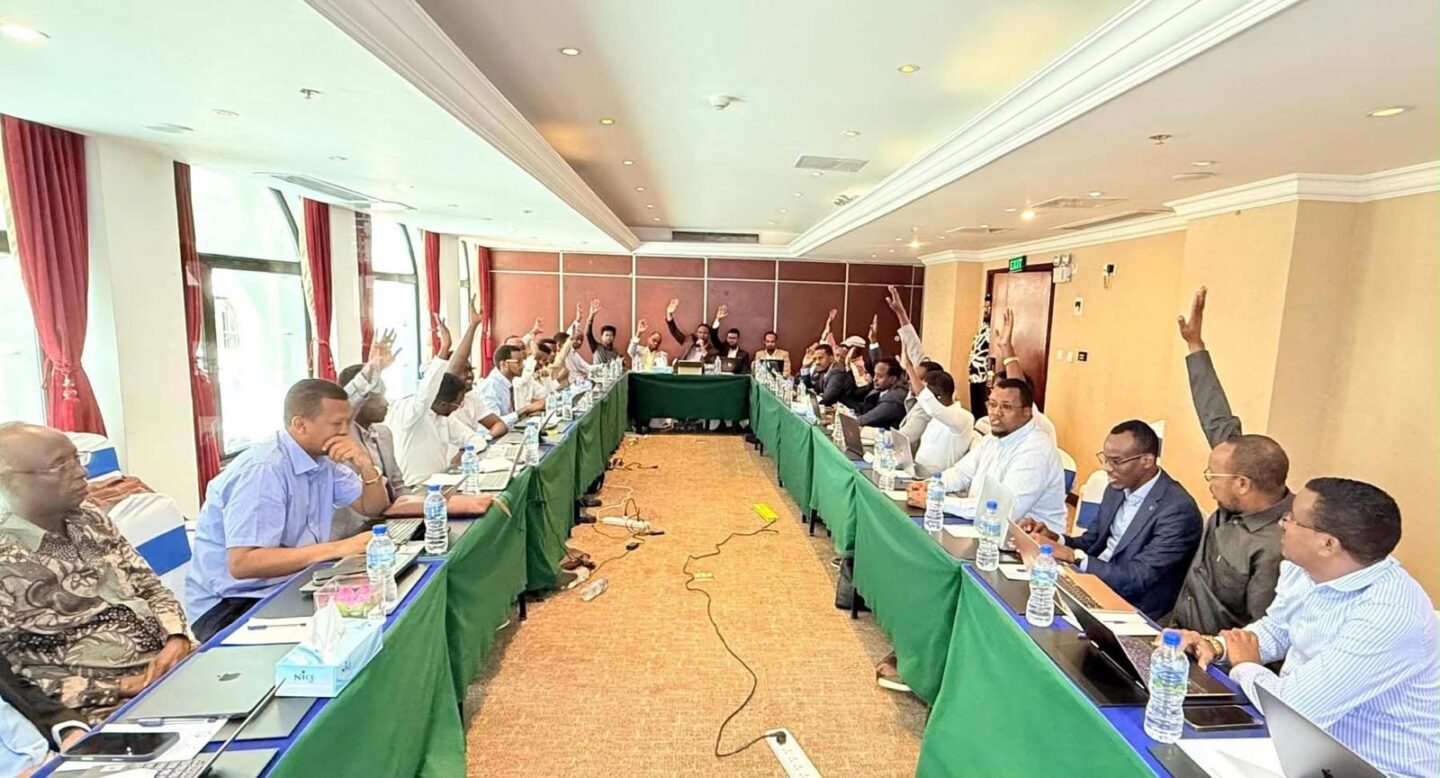
Parliament was also supported with specialised training delivered by senior experts, and its Finance Committee was sent abroad for further capacity-building, alongside senior Revenue Department officials who received international training to strengthen their expertise.
On the legal front, more than 15 laws and regulations have been reviewed, amended or newly drafted, reinforcing the legal foundation for the state’s fiscal institutions.
A Foundation for Long-Term Growth
A further lesson from the Northeastern State’s experience has been the reconstruction of peripheral districts since 1991. Migration to these regions laid a strong foundation for revenue collection and made a remarkable contribution to fiscal federalism in Somalia, underscoring the importance of a strong partnership between the Federal Government of Somalia and Federal Member States. This point was emphasised by the President of the Federal Republic of Somalia, Dr Hassan Sheikh Mohamud, during his visit to Laascaanood, the administrative capital of the Northeastern State, in January 2026.
The Northeastern State has also become one of the Federal Member States benefiting from the Global Partnership for Education, which has begun funding schools across districts of the state. A discernible boom in business creation and construction is under way in Laascaanood and other districts. Plans to build a road linking Sool, Sanaag, and Togdheer are in the pipeline, as is the planned revival of Laasqoray seaport, a coastal district once renowned for its fish cannery.
Looking Ahead
Through a major conference bringing together the business community and government, broad public awareness campaigns involving ministers, citizens, Parliament, religious scholars and community representatives, and continued reform of its financial management systems including a new Mid-Term Budget and Budget Call Circular (BCC), the Ministry of Finance is laying the institutional groundwork for a stronger, more self-reliant Northeastern State.
“Our priority is simple,” said a senior Ministry official. “We want a transparent, accountable system that earns the trust of our citizens, our Parliament,, and our partners in the diaspora and within the Federal Government alike.”
© Puntland Post, 2026