The Trump administration is trying to bridge Libya’s political divide as part of its push for US energy dominance.
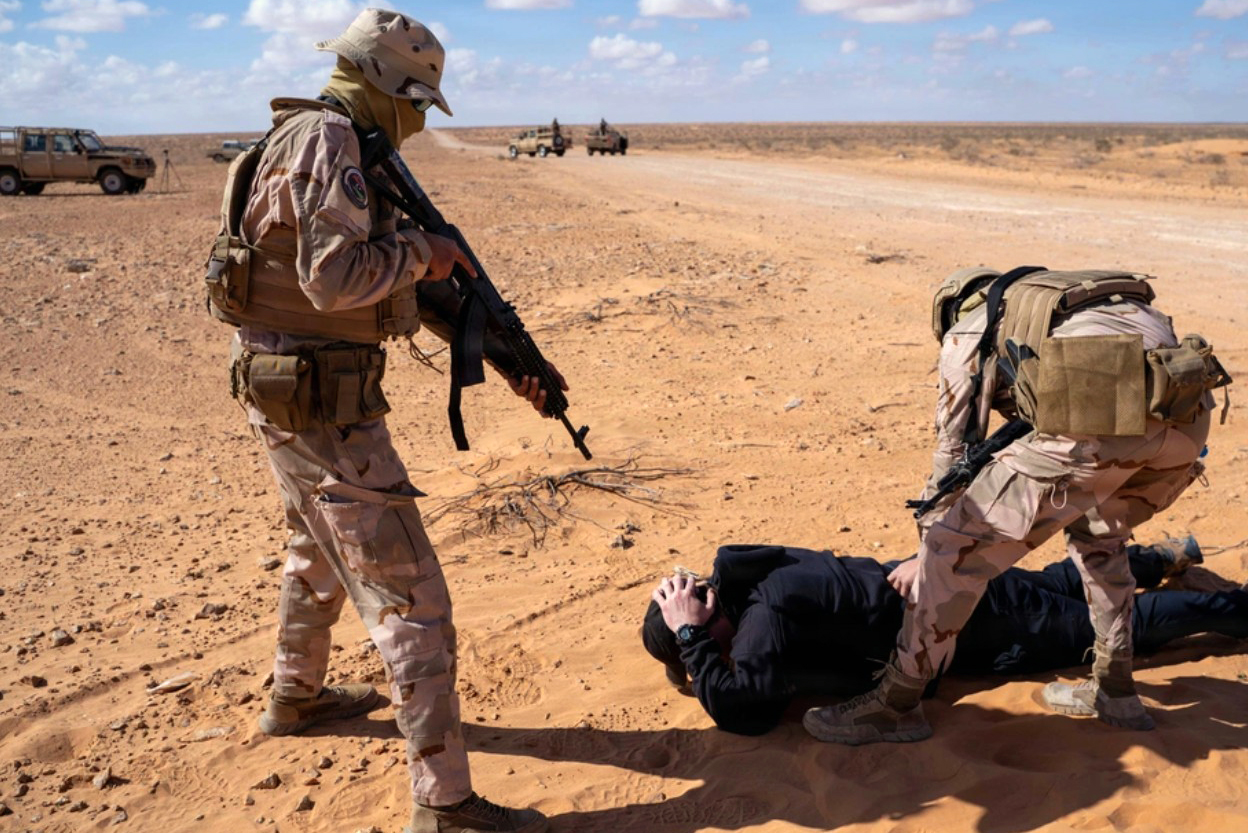
In April, it brought troops from the country’s rival eastern and western camps together for the first time on Libyan soil. The prize for rapprochement is commercial as well as political.
Libya, home to the continent’s largest crude reserves, has already ramped up production. Reaching its target of 2 million barrels a day will add another 700,000 barrels a day from fields close to Europe.
US companies are moving in.
ConocoPhillips has signed a development agreement, Chevron is returning and Exxon Mobil is exploring a comeback after a decade-long absence.
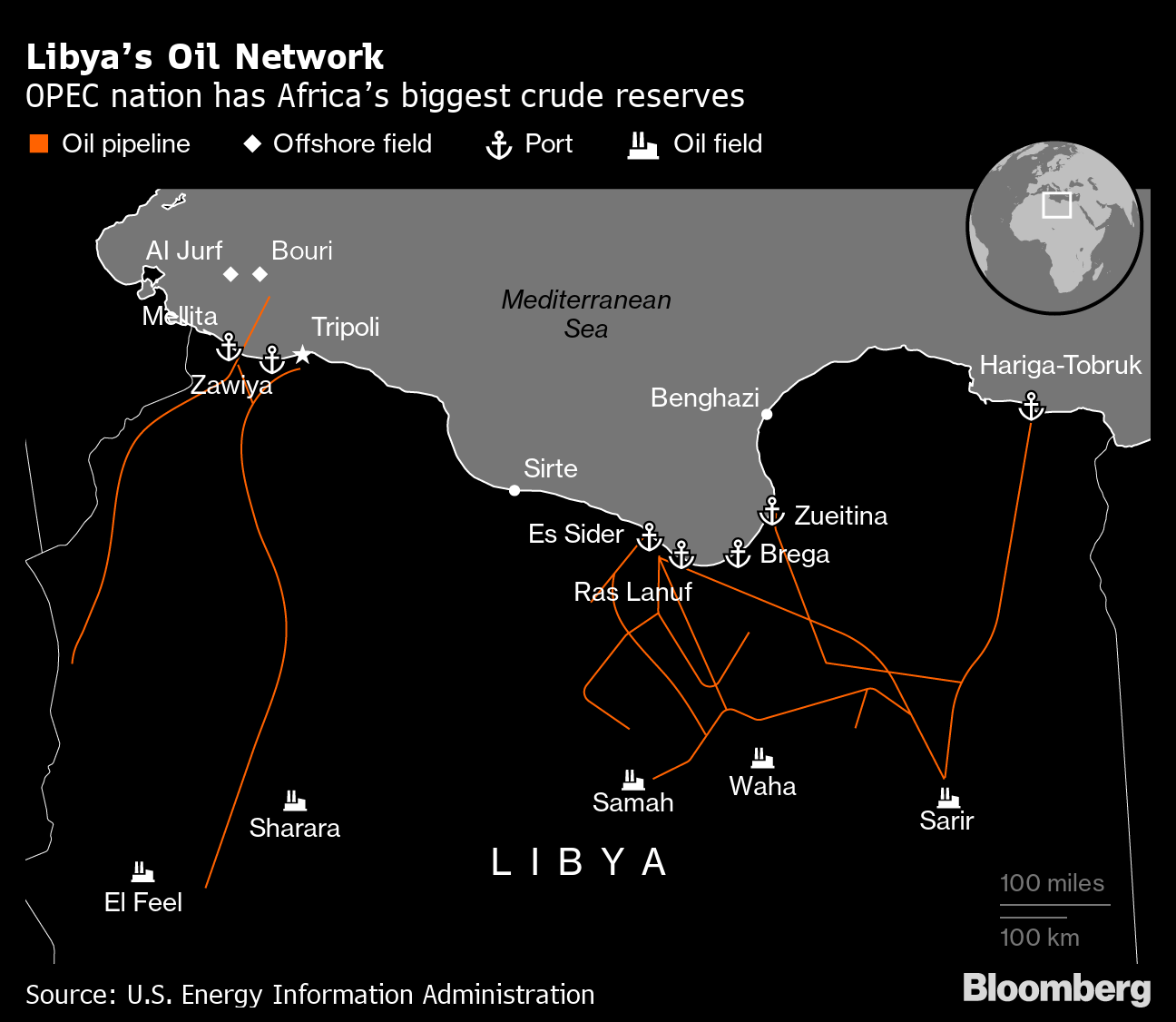
Trump’s top Africa adviser, Massad Boulos, has promoted those investments alongside efforts to bring Libya’s rival governments together.
Libya is one part of President Donald Trump’s push to use American power to expand oil production and secure business for US companies.
In Venezuela and Iran, the strategy relied on force and coercion. In the North African nation, Washington is trying diplomacy and military cooperation.
Getting the two sides to cooperate won’t be easy. The administration is betting on security coordination that has eluded Libya’s elites and successive American governments for more than a decade.
Armed factions control access to fields, pipelines and export terminals, and have repeatedly halted production during disputes over power and revenue. Rival governments and militias benefit from the existing arrangement, while Russia, Turkey, Egypt and the United Arab Emirates retain influence over competing camps.
Raising output requires more than investment from US oil majors.
It depends on persuading Libya’s power brokers to stop using crude as leverage in their struggles for supremacy. — Peter Martin and Paul Burkhardt.
Source: Bloomberg