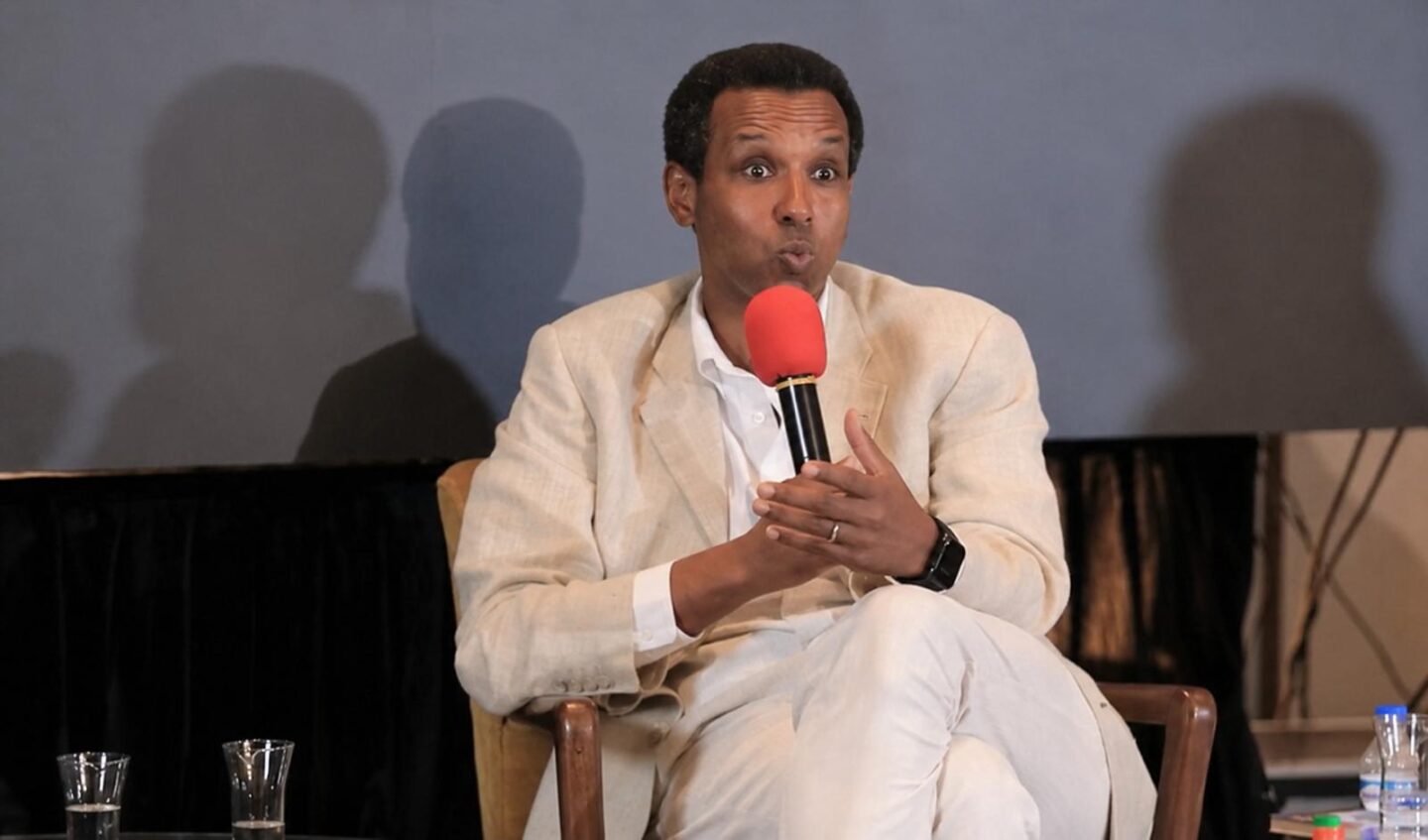
Garowe (PP Commentary) — In Hargeisa this week, Rageh Omaar painstakingly attempted to find flaws in the argument that, like South Sudan, recognition for the Somaliland Administration could ultimately prove to be “a curse”. Omaar cited UAE investment in Berbera as an example intended to distinguish South Sudan from the secessionist administration in northern Somalia.
Civil war erupted in South Sudan only after 2011, when it became an independent state with a seat at the United Nations. However, conflict in northern Somalia predates any recognition debate. Fighting broke out in 2004 and 2007 between Puntland and the Somaliland Administration; in 2011 and 2012 between Somaliland forces and unionist SSC militias; in 2018 again between Somaliland and Puntland; and in 2023 between SSC-Khatumo (now North East State) and Somaliland forces.
The Somaliland Administration reneged on the principles that had guided talks with the Federal Government of Somalia since 2012 despite benefiting from the Secial Arrangement that enabled the UAE-owned DP World to invest in Berbera Port.
The Federal Government of Somalia went to considerable lengths to build trust and maintain respectful political engagement with the secessionist administration. Yet Somaliland Administration leaders appeared increasingly committed to pursuing recognition through controversial means, including the 2024 illegal maritime Memorandum of Understanding with Ethiopia and diplomatic engagement with Israel.
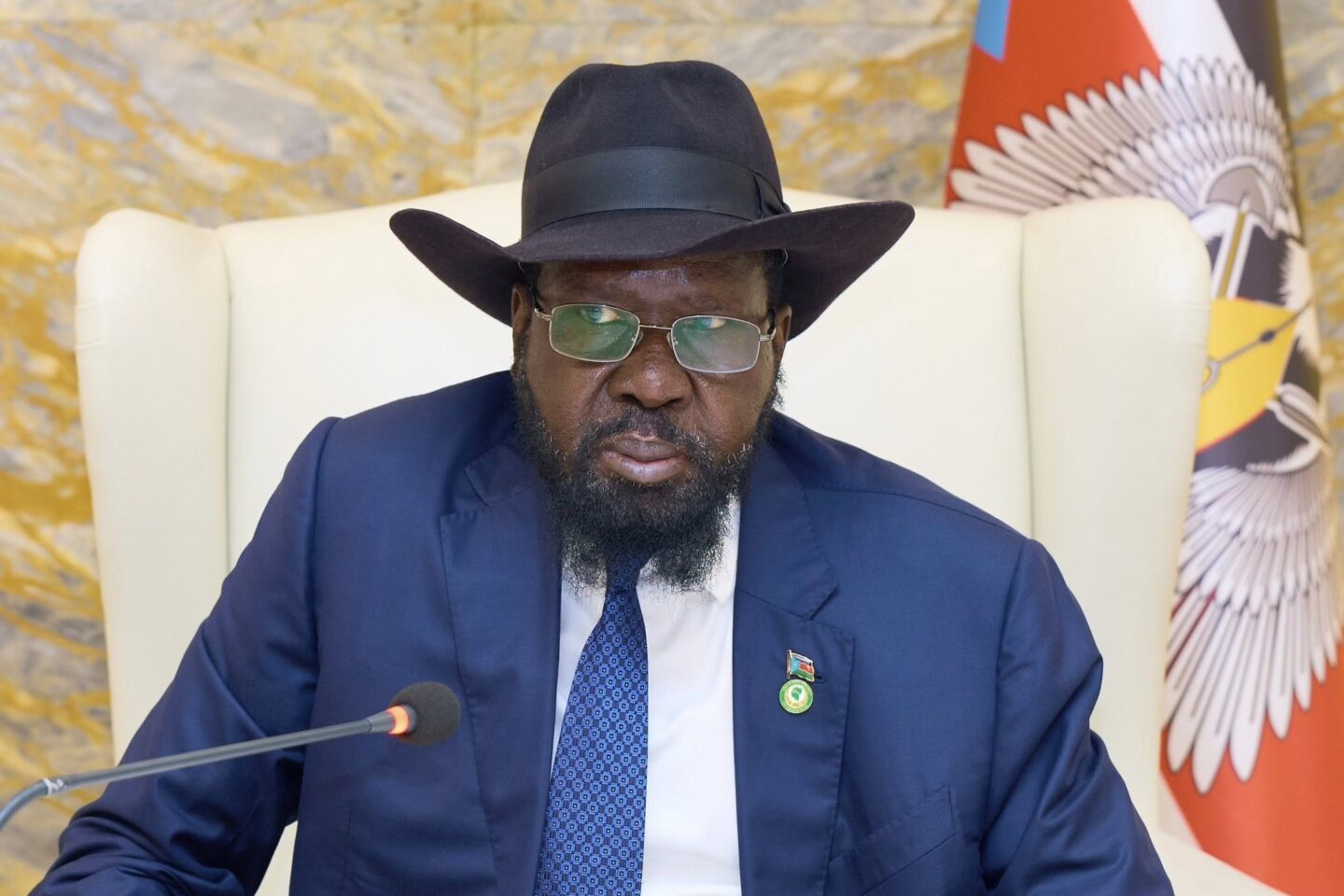
It was pressure from northern political elites in Hargeisa that helped shape Somalia’s post-1960 foreign policy of seeking the “missing territories”. That irredentist policy brought Somalia into confrontation with both the African Union and the United Nations. The claim rested on the idea of Somali ethnic homogeneity: that Somali-inhabited territories in Ethiopia and Kenya should be united with the Somali Republic. Many Somalis regarded this policy as a response to colonial-era injustices stemming from British territorial arrangements that incorporated Somali territories into Ethiopia and Kenya.
Rageh Omaar is defending the indefensible when he argues that the post-independence turmoil in South Sudan bears no resemblance to developments in what he now calls the “Somaliland Republic”. Conflict is already simmering in Awdal, while tensions continue in Sool, Sanaag and Togdheer.
National sovereignty remains Somalia’s most important asset in protecting its territorial integrity and political unity. Discredited British politicians such as Gavin Williamson (sackedin 2019 by Teresa May for National Security Leak, and by Boris Johnnson over “Covid exams” fiasco) andLord Ashcroft have increasingly lent support to narratives promoting Somalia’s fragmentation. Ashcroft himself drew controversy after he alleged in his book Call Me Dave that David Cameron, then a Prime Minister, a compromising situation with a dead pig while student at the University of Oxford.
As a former BBC World Service reporter and later an ITV News newscaster, Omaar is well aware that South Sudan did not unilaterally secede from Sudan. The 2005 Comprehensive Peace Agreement paved the way for the 2011 independence referendum. By contrast, Somaliland leaders have neither abandoned secessionism nor engaged consistently in genuine negotiations with the Federal Government of Somalia.
Their clan-based rejectionist ideology has narrowed their political options to the point where they now share with Al-Shabaab a preference for a weakened Somalia fragmented into ungoverned spaces. Their hope appears to be that prolonged instability could eventually persuade parts of the international community to accept the break-up of Somalia into clan-based enclaves.
© Puntland Post, 2026