
Mogadishu (PP Editorial) — When a politician or a business leader writes an autobiography or gives a retrospective interview, one question weighs heavily on his/her mind: what to include and what to leave out. Mohamed Abdullahi Farmaajo, the former President of the Federal Republic of Somalia, appears to have forgotten that rule of thumb when he granted an interview with Horufadhi YouTube channel.
In one part of the interview, President Farmaajo shared unverifiable claims about his dealings with Dr Abdiweli Mohamed Ali, his planning minister and the Prime Minister who replaced him under the Kampala Accord of 2011.
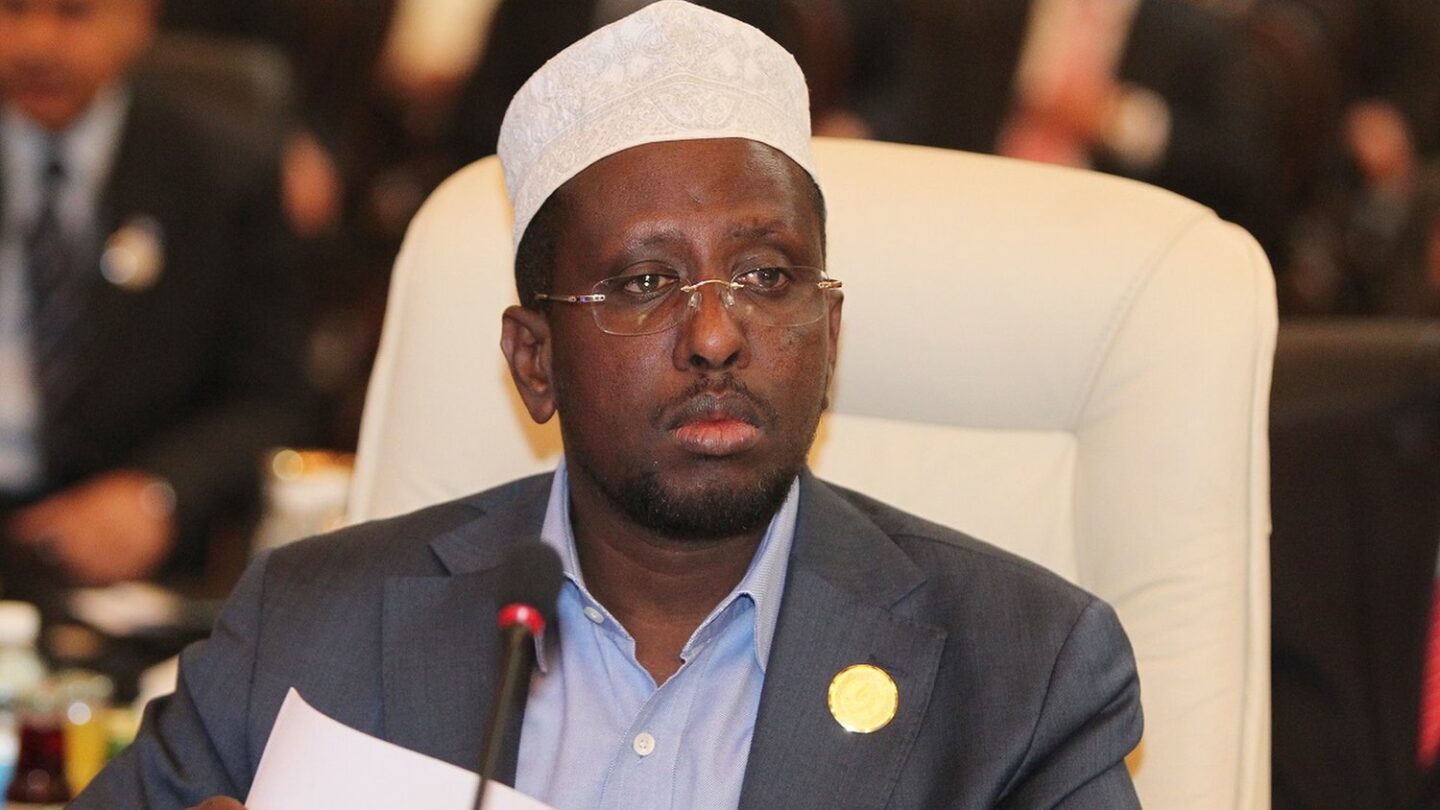

The President Farmaajo claimed that Dr Abdiweli had urged him to run for the presidency to replace President Sharif Sheikh Ahmed, who had appointed Farmaajo as Prime Minister but later sided with Sharif Hassan Sheikh Aden, the Parliamentary Speaker, whom “[Augustine] Mahiga, the Special Representative of the Secretary-General, persuaded to get rid of me as Prime Minister.” President Farmaajo claims that before Mahiga managed to co-opt Sharif Hassan, he spoke to Abdiweli, “with whom he had conversations.”

Only when Abdiweli was appointed Prime Minister in 2011 was he able to meet Mahiga regularly during the process to write the new post-transition constition; he did not have that privilege when he was Minister of Planning of the Transitional Federal Government of Somalia. President Farmaajo either has memory problems or is economical with the truth. He claimed that President Sharif Sheikh Ahmed had phoned him to complain about not getting along with Abdiweli as Prime Minister. Why Farmaajo gives weight to the claims of President Sharif, given that the former returned to his job in Buffalo, New York after his unceremonious dismissal as Prime Minister of Somalia, is puzzling, to say the least.

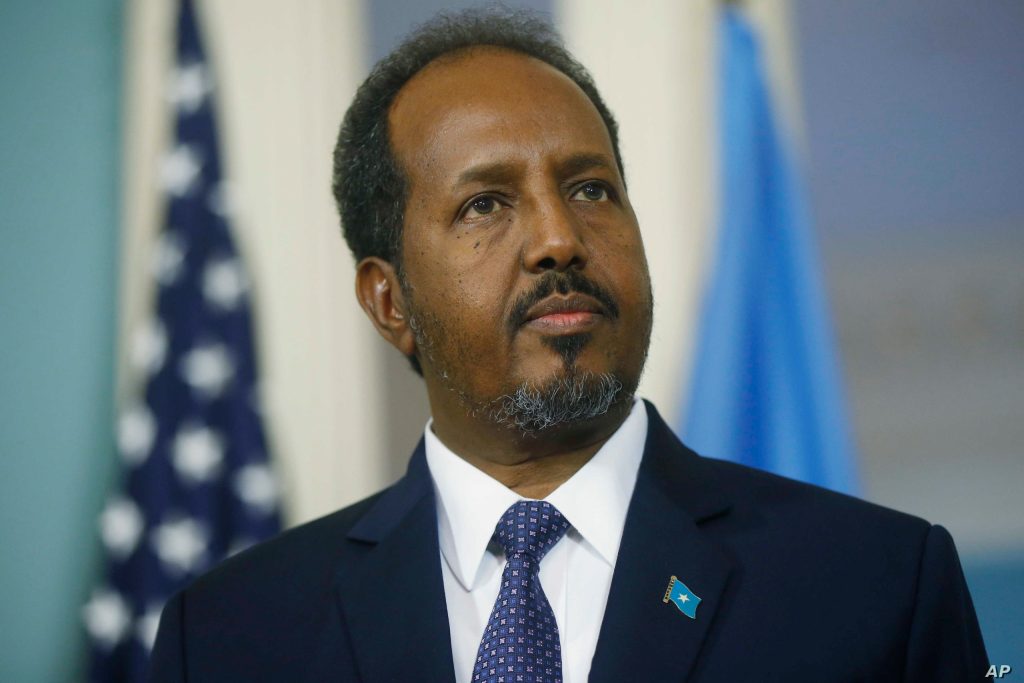
Under the Kampala Accord, there was a clause barring the removal of the Prime Minister by Parliament. That clause made President Sharif insecure about the power he wished to wield during the one-year term extension granted to the federal institutions to prepare Somalia for the end of the transition and the selection of a new president. President Sharif, who had picked half of the expanded federal parliament MPs in Djibouti in late 2008 under the agreement between the Transitional Federal Government of Somalia and the Alliance for the Re-liberation of Somalia, thought of himself as a lame duck, partly because of his decision to dismiss Farmaajo. It was not a plot hatched by Dr Abdiweli.

President Farmaajo has a grievance with Abdiweli, who, as President of Puntland (2014–2019), played a role in the formation of the inter-state cooperation council in Kismayo in 2018. The council stunned President Farmaajo’s administration, which sought to capture the bicameral legislature. Only when Abdiweli lost to Said Abdullahi Deni in January 2019 was President Farmaajo able to dismantle the council and facilitate the replacement of three key co-founders: Sharif Hassan (South West State President), Mohamed Abdi Ware (Hirshabelle President) and Ahmed Duale Gelle Haaf (Galmudug President), some through indirect elections and one by force.
At one point, the interviewer asked whether President Farmaajo’s “obstinacy” caused Mahiga to seek other options to push through his agenda. President Farmaajo accepted the “obstinacy” label “madax-adayg”, a personal characteristic that is unsuitable for a country recovering from state collapse.
© Puntland Post, 2026