
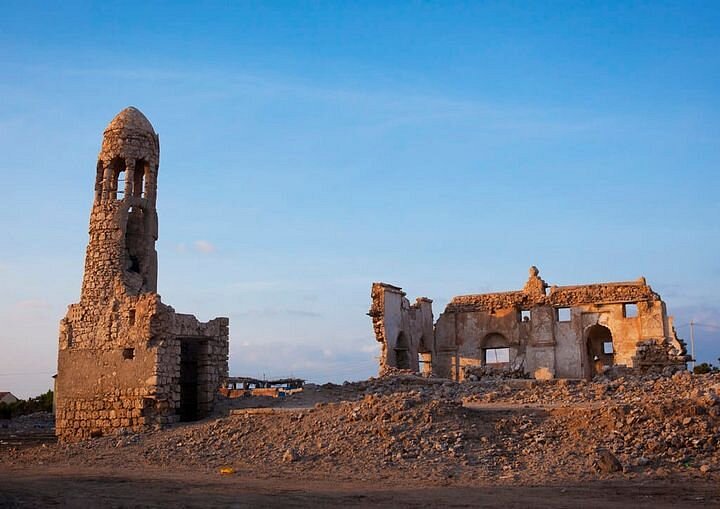
Hargeisa (PP News Desk) — Zeila, a coastal district in the Awdal region under the control of the Somaliland administration, is where the Ugaas of the Issa is crowned. The historic city has long been associated with the Issa, a Somali clan living in Somalia, Ethiopia and Djibouti. Recently, the Issa customary law has been included in the Representative List of the Intangible Cultural Heritage of Humanity. Celebrations were held in Dire Dawa, Ethiopia.
In Hargeisa, strong opposition has been expressed by a group of people against the launching of a book on Xeer Ciise (Issa customary law) in Zeila. They claim that the city belongs to the Gadabuursi, in what a senior journalist in Hargeisa described as a plan to drive a wedge between the Issa and the Gadabuursi. The President of Djibouti, Ismail Omar Guelleh, is an Issa clansman.
It is unclear what sparked the controversy, given the thaw in relations between Hargeisa and Djibouti. “Launching a book on Xeer Ciise should not have created acrimony between two clans who share more with each other than with other clans,” said a retired teacher in Lughaya.
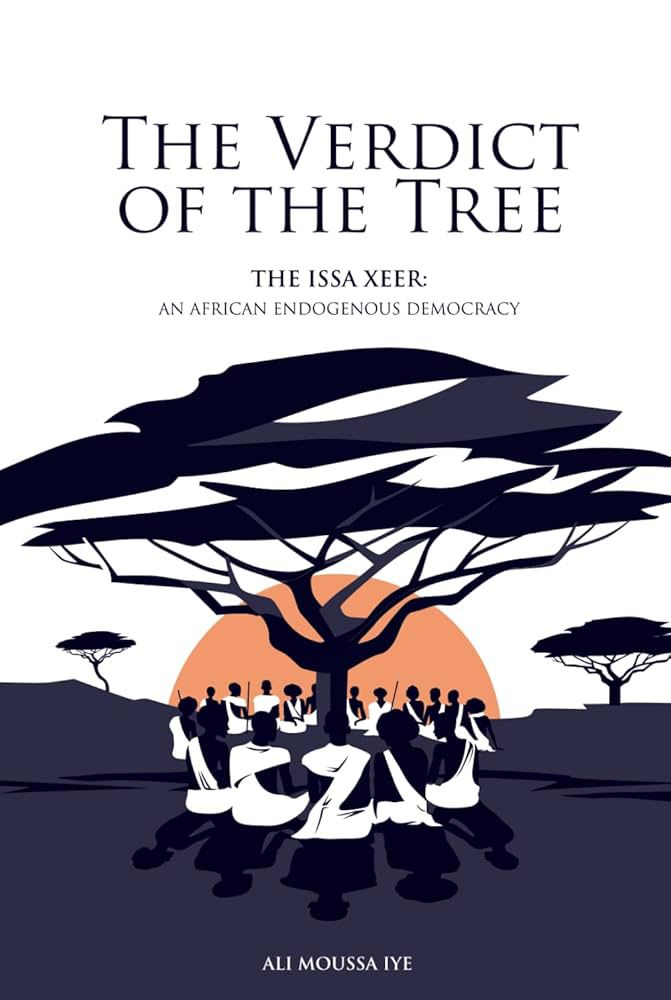
“The enthronement of the Ugaas in the city of Zeila is therefore a symbolic act that anchors Issa royalty to the tradition of the Muslim sultans in the region and advocates the heritage of this historic city,” wrote Ali Moussa Iye in the English translation of Le Verdict de l’Arbre, published in 1990.

In Dire Dawa, when the Xeer Ciise was being celebrated, a platform had been given to the Federal Government of Somalia despite a delegation from the Somaliland administration attending the ceremony.
“This book is an impressive contribution to our understanding of Somali society and one that deserves to be translated into both Somali and English. It should definitively put an end to the misconception (of outsiders and Somalis) that traditional stateless societies were lawless or primitive societies,” wrote Professor Lidwien Kapteijns, reviewing the book in 1993 in Hal-abuur magazine.
© Puntland Post, 2025